Call us 24/7+86 18250705533
HONG KONG SAUL ELECTRICAL LIMITED! Email:sales5@xrjdcs.com Whatsapp:+86 18250705533

ABB 5SHY4045L0006 IGCT Module: High-Performance Power Control for Industrial Automation


ABB 5SHY4045L0006 IGCT Module: High-Performance Power Control for Industrial Automation

Meta Description: Discover the ABB 5SHY4045L0006 GVC736CE101 IGCT module — a high-voltage industrial control solution with 4500V rating, microsecond switching, and transparent anode technology for power conversion applications.

Introduction

The global IGCT module market is expanding rapidly due to rising demand for efficient electric power conversion solutions, with Asia-Pacific leading adoption driven by renewable energy investments and manufacturing growth[1].

In industrial automation and power electronics, the ABB 5SHY4045L0006 GVC736CE101 stands out as a cutting-edge Integrated Gate Commutated Thyristor (IGCT) module engineered for demanding high-power applications. plc module, a trusted supplier of industrial control systems and PLC modules, offers this advanced ABB solution for industries requiring precise voltage regulation, frequency control, and reliable performance in harsh environments[2].

This article examines the technical specifications, key features, industrial applications, and competitive advantages of the ABB 5SHY4045L0006 IGCT module.

What is the ABB 5SHY4045L0006 IGCT Module?

The ABB 5SHY4045L0006 GVC736CE101 is a high-performance IGCT module rated at 4500V with microsecond switching speed, designed for industrial control systems requiring precise voltage regulation and frequency control[3].

An IGCT (Integrated Gate Commutated Thyristor) module represents advanced power semiconductor technology that combines the benefits of thyristors and IGBTs. The ABB 5SHY4045L0006 uses transparent anode technology to reduce on-state voltage drop and improve efficiency[4]. This makes it ideal for power converters, frequency converters, motor drives, and renewable energy inverters in manufacturing, energy, and transportation sectors.

plc module provides this certified product with comprehensive technical support, ensuring seamless integration into existing automation infrastructure.

Technical Specifications

Specification Details
Model Number 5SHY4045L0006
Submodel GVC736CE101
Rated Voltage 4500V[3]
Rated Current 150A[5]
Operating Voltage 220V / 415V[2]
Motor Current Rating 90A[6]
Output Frequency 30kHz[2]
Frequency Range 50/60 Hz[6]
Switching Speed Microsecond-level[3]
Rated Power 250kW[7]
Cooling Method Forced air cooling[6]
Protection Class IP20[6]
Operating Temperature -25°C to 50°C[7]
Dimensions 130mm × 80mm (compact modular package)[3]
Origin Made in U.S.[2]
Certification Certified Product[2]

Key Features of the ABB 5SHY4045L0006

1. Transparent Anode Technology

The ABB 5SHY4045L0006 employs transparent anode technology, which reduces on-state voltage drop and improves overall efficiency[4]. This design innovation minimizes power losses during operation, making it suitable for high-voltage applications up to 4500V.

2. Light Triggering with 1:1 Driving Ratio

This IGCT module integrates a light triggering function with a 1:1 driving ratio, enabling precise gate control[8]. This feature ensures fast and reliable switching, critical for applications requiring rapid response times.

3. RC Absorption and Protection

Built-in RC absorption and protection functions safeguard the module against voltage spikes and transient surges[8]. This enhances system reliability and extends operational lifespan in demanding industrial environments.

4. High Current Handling Capability

With integrated powerful current switching capabilities, the ABB 5SHY4045L0006 handles rated currents of 150A and motor currents up to 90A[5][6]. This makes it ideal for high-power motor drives and variable frequency applications.

5. Compact Modular Design

The module’s compact 130mm × 80mm footprint allows for space-efficient installation in control cabinets[3]. The modular package design facilitates easy maintenance and replacement, reducing downtime.

6. Wide Operating Temperature Range

Operating reliably from -25°C to 50°C, the ABB 5SHY4045L0006 performs consistently in extreme environmental conditions[7]. This versatility makes it suitable for outdoor installations and industrial facilities with variable climate conditions.

7. Advanced I/O Capabilities

plc module sources the ABB 5SHY4045L0006 with comprehensive connectivity: 8 digital inputs, 4 analog inputs, 6 digital outputs, and 2 analog outputs for seamless integration with sensors, actuators, and external control devices[9].

Industrial Applications

Power Converters and Frequency Converters

The ABB 5SHY4045L0006 is primarily used in power electronic devices such as power converters for DC/AC conversion and frequency converters[10].

IGCT modules excel in applications requiring efficient power conversion. The ABB 5SHY4045L0006 converts DC to AC power with minimal losses, making it essential for:

  • Variable frequency drives (VFDs) controlling AC motor speed and torque in industrial automation
  • Renewable energy inverters converting variable DC output from solar panels and wind turbines into grid-compatible AC power[11]

Motor Drive Systems

The module provides precise control for AC motor drives, regulating speed, torque, and direction. Applications include:

  • Industrial automation systems in manufacturing plants
  • Robot control systems requiring high-precision motion control[12]
  • Ship propulsion systems demanding reliable high-power performance[12]

Manufacturing and Energy Sectors

The ABB 5SHY4045L0006 delivered by plc module serves diverse industries:

  • Manufacturing: Process control, conveyor systems, automated assembly lines
  • Energy: Power generation, transmission, and distribution systems
  • Transportation: Electric vehicle charging infrastructure, railway traction systems

ABB introduced Automation Extended in 2026, enabling advanced analytics, AI, and IoT integration in industrial environments[13]. The 5SHY4045L0006 module integrates seamlessly with these modern automation ecosystems.

Competitive Advantages in the IGCT Market

IGCT modules dominate medium-voltage applications, with ABB leading innovation through transparent anode technology and modular designs that improve efficiency and reduce maintenance costs.

In June 2025, ABB introduced a new line of Asymmetric IGCT modules designed for high-efficiency applications[14]. The 5SHY4045L0006 benefits from ABB’s continuous R&D investments in power semiconductor technology.

Compared to IGBT modules, IGCT modules like the ABB 5SHY4045L0006 offer:

  • Lower on-state voltage drop, reducing power losses
  • Higher surge current capability for demanding applications
  • Superior performance in high-voltage (>3000V) applications[4]

plc module provides competitive pricing and comprehensive technical support for the ABB 5SHY4045L0006, ensuring customers receive maximum value and operational efficiency.

Installation and Maintenance Considerations

Installation Best Practices

  1. Cooling Requirements: Ensure adequate forced air cooling to maintain optimal operating temperatures[6]
  2. Protection Class: Install in IP20-rated environments or provide additional enclosures for harsher conditions
  3. Electrical Connections: Follow ABB specifications for gate drive connections and power terminals
  4. Grounding: Implement proper grounding to prevent electrical noise and ensure personnel safety

Maintenance Guidelines

The ABB 5SHY4045L0006’s modular design simplifies maintenance:

  • Regular inspection of cooling systems and air filters
  • Periodic testing of protection circuits (RC absorption)
  • Monitoring of operating temperatures and load conditions
  • Visual inspection for signs of thermal stress or physical damage

plc module offers technical consultation and spare parts availability to minimize downtime and extend module lifespan.

Why Choose plc module for Your ABB 5SHY4045L0006 Needs?

plc module specializes in industrial control systems and DCS spare parts, providing certified ABB products with global shipping and 24/7 technical support[2].

When you source the ABB 5SHY4045L0006 through plc module, you benefit from:

  • Authenticity Guarantee: All products are certified and sourced directly from authorized distributors
  • Competitive Pricing: Cost-effective solutions without compromising quality
  • Technical Expertise: Engineering support for integration and troubleshooting
  • Fast Delivery: Global logistics network ensuring timely delivery
  • Comprehensive Service: Pre-sales consultation through post-installation support

Contact plc module at sales5@xrjdcs.com or WhatsApp +86 18250705533 for product inquiries and technical specifications.

Frequently Asked Questions (FAQ)

What is the rated voltage of the ABB 5SHY4045L0006 IGCT module?

The ABB 5SHY4045L0006 has a rated voltage of 4500V, making it suitable for high-voltage power conversion applications in industrial automation and energy sectors[3].

What applications is the ABB 5SHY4045L0006 best suited for?

The module excels in power converters, frequency converters, motor drives for industrial automation, renewable energy inverters, and ship propulsion systems[10]. plc module recommends it for applications requiring precise voltage regulation and high current handling.

How does IGCT technology compare to IGBT in high-power applications?

IGCT modules like the ABB 5SHY4045L0006 offer lower on-state voltage drop, higher surge current capability, and superior performance in high-voltage applications above 3000V compared to IGBT modules[4]. This results in improved efficiency and reduced cooling requirements.

What is the operating temperature range for this module?

The ABB 5SHY4045L0006 operates reliably from -25°C to 50°C, ensuring consistent performance in extreme environmental conditions[7]. This wide temperature range makes it suitable for both indoor and outdoor industrial installations.

Where can I purchase authentic ABB 5SHY4045L0006 modules?

plc module offers certified ABB 5SHY4045L0006 GVC736CE101 modules with authenticity guarantees, competitive pricing, and comprehensive technical support. Visit https://www.saulplconline.com or contact sales5@xrjdcs.com for product availability and quotes[2].

Conclusion

The ABB 5SHY4045L0006 GVC736CE101 IGCT module represents the pinnacle of power semiconductor technology for industrial automation applications. With its 4500V rating, transparent anode technology, microsecond switching speed, and comprehensive protection features, it delivers unmatched performance in power conversion, motor drives, and renewable energy systems.

plc module provides this advanced ABB solution with authenticity guarantees, competitive pricing, and dedicated technical support. Whether you’re upgrading existing systems or designing new industrial automation infrastructure, the ABB 5SHY4045L0006 offers the reliability, efficiency, and precision your operations demand.

Ready to enhance your industrial control systems? Contact plc module today at sales5@xrjdcs.com or WhatsApp +86 18250705533 to discuss your specific requirements and receive expert recommendations for your automation projects. Visit https://www.saulplconline.com to explore our complete range of industrial control modules and DCS spare parts.

References

[1] LinkedIn, “Unlock Vital Data on Asymmetric IGCT Modules Market,” 2026. “The IGCT module market is projected to expand rapidly due to rising demand for efficient electric power conversion solutions in various sectors.” https://www.linkedin.com/pulse/unlock-vital-data-asymmetric-igct-modules-market-financial-uphle

[2] plc module, “ABB 5SHY4045L0006 GVC736CE101 Industrial Control Module,” 2026. “Designed for industrial control systems. It offers precise voltage regulation and frequency control.” https://www.saulplconline.com/ru/product/abb-5shy4045l0006-gvc736ce101-industrial-control-module/

[3] PLC Masters, “ABB 5SHY4045L0006 3BHB030310R0001 IGCT Module,” 2026. “Rated Voltage: 4500V; Switching Speed: Microsecond; Dimensions: 130 mm x 80 mm.” https://www.plcmasters.com/products/abb-5shy4045l0

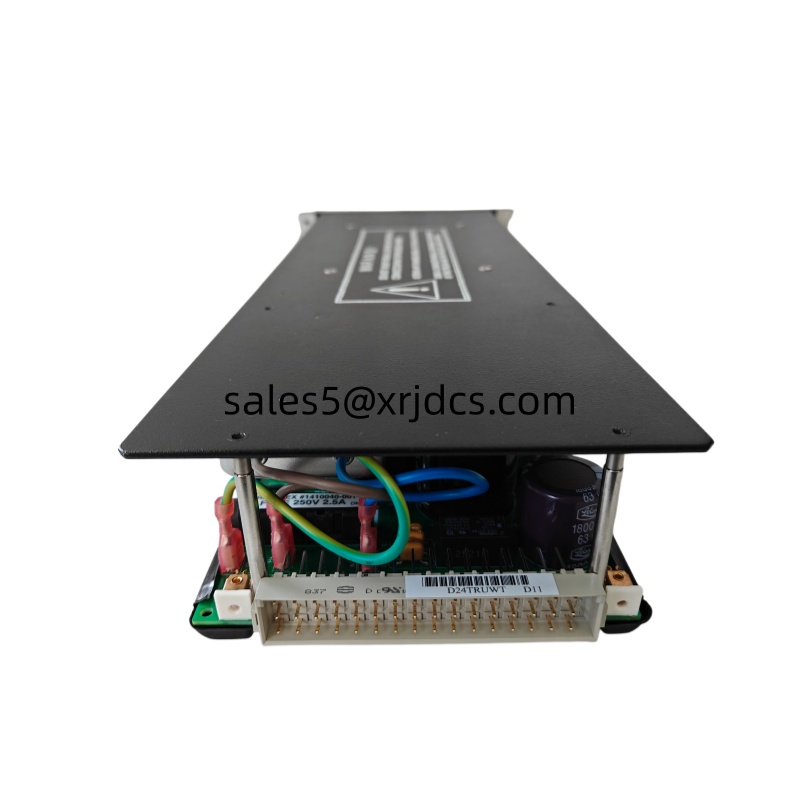
TRICONEX 8312 Power Supply Module: Reliable Power for Safety-Critical Systems


TRICONEX 8312 (1)

TRICONEX 8312 (1)


TRICONEX 8312 Power Supply Module: Reliable Power for Safety-Critical Systems

Meta Description: Explore the TRICONEX 8312 230 VAC power supply module delivering 175W output for Tricon safety systems. Learn specifications, applications, and reliability features for critical industrial processes.

The safety instrumented system market is projected to grow from USD 5.09 billion in 2025 to USD 7.87 billion by 2030, expanding at a CAGR of 7.3%[1]. This growth reflects the increasing emphasis on process safety and regulatory compliance across high-risk industries. The TRICONEX 8312 power supply module plays a vital role in maintaining continuous operation of Triconex safety systems that protect critical infrastructure worldwide.

As a specialized supplier of industrial automation components, plc module provides genuine TRICONEX power supply modules including the 8312, supporting safety-critical operations across oil and gas, petrochemical, and power generation industries with reliable, certified components.

What is the TRICONEX 8312 Power Supply Module?

The TRICONEX 8312 is a high-density 230 VAC power supply module delivering 175 watts of reliable power at 6.5 VDC output for Triconex main chassis systems used in safety instrumented applications.

This power module serves as a critical component in Triconex safety systems, providing stable power to safety controllers, I/O modules, and communication interfaces. The 8312 accepts 230 VAC input voltage ranging from 185-285 VAC at 47-63 Hz, making it suitable for international installations with varying power standards. Its high-density design optimizes chassis space utilization while delivering sufficient power capacity for demanding safety applications.

The module features built-in alarm contacts that activate when power anomalies occur or when the module is missing from the chassis, enabling proactive maintenance and fault detection[2].

Key Specifications of the TRICONEX 8312

Understanding the technical characteristics ensures proper system design and reliable operation:

Specification Details
Part Number 8312
Type High-Density Power Module (HDPM)
Input Voltage 230 VAC, 185-285 VAC range
Input Frequency 47-63 Hz
Input Current 2.5A maximum
Output Power 175 W at 60°C ambient temperature
Output Voltage 6.5 VDC ±1%
Output Current Up to 27 A at 60°C
Output Hold Time ≥20 ms during power interruption
Recommended Input Rating 240 watts minimum per supply
Operating Temperature 0°C to 60°C
Chassis Compatibility Tricon main chassis, expansion chassis

The 175-watt output capacity at 60°C ambient temperature ensures adequate power headroom for fully populated chassis configurations[3]. The tight voltage regulation of ±1% maintains stable power delivery despite input fluctuations or load variations.

Triple Modular Redundancy (TMR) Architecture Support

TRICONEX systems employ patented Triple Modular Redundancy (TMR) architecture that achieves up to SIL 3 safety integrity levels[4]. This architecture requires reliable, redundant power supplies to maintain continuous operation during component failures.

Redundant Power Configuration

Industrial automation applications benefit significantly from redundant power supplies that ensure continuous 24 VDC operation even during individual supply failures[5]. Triconex systems typically deploy multiple 8312 modules in redundant configurations, where:

  • Each power module can independently supply the entire chassis load
  • Automatic load sharing distributes power across multiple modules
  • Failure of one module does not interrupt system operation
  • Alarm contacts notify operators of degraded redundancy

This redundancy architecture eliminates single points of failure in the power distribution system, critical for safety applications where unplanned shutdowns create hazardous conditions or significant economic losses.

Primary Applications

Emergency shutdown systems dominated 41.30% of revenue in the safety instrumented system market in 2025[6]. The TRICONEX 8312 supports power delivery across these critical applications:

Emergency Shutdown (ESD) Systems

ESD systems protect process facilities by automatically isolating equipment and depressurizing systems during abnormal conditions. The 8312 provides reliable power to Triconex controllers executing safety shutdown logic with deterministic response times.

Fire and Gas (F&G) Detection Systems

Fire and gas detection systems require continuous monitoring and rapid response capabilities. The 8312’s stable power delivery ensures F&G controllers maintain vigilant operation 24/7, triggering alarms and suppression systems when hazardous conditions arise.

Burner Management Systems (BMS)

Burner management systems prevent explosive conditions in fired heaters, boilers, and furnaces. The 8312 powers Triconex controllers that supervise ignition sequences, flame monitoring, and fuel valve control with fail-safe operation.

High Integrity Pressure Protection Systems (HIPPS)

HIPPS systems prevent pipeline overpressure by isolating flow sources before relief valves activate. The 8312 supplies power to ultra-fast safety controllers that execute isolation within milliseconds, protecting personnel and equipment.

Refining and Petrochemical Operations

In refineries, TRICONEX systems powered by 8312 modules protect critical units including reactors, distillation towers, catalytic crackers, and alkylation units[7]. These environments demand absolute reliability from every system component including power supplies.

Installation and Configuration Guidelines

Proper installation ensures optimal performance and longevity:

Power Planning

Calculate total chassis power requirements by summing the consumption of all installed modules. Deploy sufficient 8312 power modules to supply this load with N+1 redundancy, where N represents the minimum number of supplies needed. For example, if the chassis requires 150 watts and each 8312 provides 175 watts, install two modules for redundant operation.

Input Power Quality

Ensure incoming AC power meets voltage and frequency specifications. Install line conditioning equipment if power quality issues exist, including voltage sag, transients, or harmonics. Dedicated circuits reduce interference from heavy inductive loads sharing the same distribution.

Mounting and Clearance

Install the 8312 in designated power supply slots within the Triconex chassis following the system manual. Maintain adequate airflow around the chassis for cooling. The 8312 operates at full rated output up to 60°C ambient temperature, but cooler environments extend component lifespan.

Alarm Contact Wiring

Connect the power module alarm contacts to monitoring systems for immediate notification of supply failures or anomalies. These normally open contacts close when faults occur, enabling integration with plant-wide alarm management systems.

Testing and Commissioning

Before energizing process equipment, verify proper power module operation:

  1. Confirm input voltage within 185-285 VAC range
  2. Measure output voltage at 6.5 VDC ±1% under load
  3. Test redundancy by removing one module and verifying continuous operation
  4. Validate alarm contact operation during simulated failures
  5. Document configuration and module serial numbers


TRICONEX 8312 (2)

TRICONEX 8312

Maintenance and Reliability Considerations

Mean Time Between Failures (MTBF)

Industrial power supplies achieve MTBF values exceeding 100,000 hours when operated within specifications. The 8312’s robust design and conservative ratings contribute to exceptional reliability in harsh industrial environments.

Predictive Maintenance

Monitor power supply health through system diagnostics and alarm status. Replace modules exhibiting degraded performance before failures occur. Maintain spare 8312 modules for rapid replacement to restore full redundancy.

Environmental Factors

Control panel temperature significantly impacts power supply lifespan. Each 10°C reduction in operating temperature approximately doubles component life expectancy. Ensure HVAC systems maintain control room temperatures within specified limits.

Quality and Authenticity

Source TRICONEX components exclusively through authorized distributors to ensure genuine products with proper certifications. Counterfeit or refurbished modules may lack necessary safety approvals and introduce unacceptable risks in safety-critical applications. plc module supplies verified genuine TRICONEX power modules with full traceability and warranty support.

Comparison with Alternative Power Supply Models

Feature TRICONEX 8312 TRICONEX 8310 TRICONEX 8311
Input Voltage 230 VAC 120 VAC/VDC 24 VDC
Input Range 185-285 VAC 85-140 VAC / 95-180 VDC 22-31 VDC
Output Power 175 W 175 W 175 W
Output Voltage 6.5 VDC ±1% 6.5 VDC ±1% 6.5 VDC ±1%
Output Current 27 A at 60°C 27 A at 60°C 27 A at 60°C
Primary Use Region Europe, Asia, Middle East North America DC power systems
Input Frequency 47-63 Hz 47-63 Hz N/A (DC input)

All three models deliver identical output specifications, enabling flexible deployment based on regional power standards. The 8312’s 230 VAC input suits international installations outside North America, while the 8310 accommodates 120 VAC systems common in the United States and Canada. The 8311 serves applications with 24 VDC distribution systems.

Why Choose TRICONEX for Safety Systems?

Triconex safety systems protect some of the world’s most critical industrial processes across oil and gas, petrochemical, chemical, and power generation sectors[8]. Several factors drive this market leadership:

Proven TMR Technology

TRICONEX pioneered Triple Modular Redundancy technology that performs continuous self-diagnostics while maintaining full operational capability during component failures. This architecture delivers industry-leading safety integrity levels with deterministic response times.

Comprehensive Certifications

TRICONEX systems hold extensive safety certifications including IEC 61508 SIL 3, TÜV certification, and compliance with industry-specific standards. These certifications provide confidence for safety engineers and regulatory approval.

Global Installed Base

Thousands of TRICONEX systems operate worldwide, creating extensive field experience and proven reliability data. This installed base validates the technology across diverse applications and operating conditions.

Long-Term Support

Schneider Electric’s commitment to TRICONEX product line ensures long-term availability of components and support services. Established supply chains and backward compatibility protect infrastructure investments.

Available Through plc module

plc module maintains inventory of genuine TRICONEX components including the 8312 power supply module for immediate delivery. With deep expertise in safety system components, plc module supports plant maintenance teams and system integrators with technical consultation, configuration assistance, and rapid fulfillment. Contact plc module at https://www.saulplconline.com for TRICONEX power supply modules and comprehensive automation component sourcing.

Frequently Asked Questions

What is the difference between the TRICONEX 8312 and 8310 power modules?

The TRICONEX 8312 accepts 230 VAC input voltage (185-285 VAC range), while the 8310 accepts 120 VAC input voltage (85-140 VAC range) or 120 VDC input (95-180 VDC range). Both modules deliver identical 175W output at 6.5 VDC, enabling deployment based on regional power standards. Select the 8312 for European, Asian, and Middle Eastern installations with 230 VAC distribution, or the 8310 for North American installations with 120 VAC systems.

How many TRICONEX 8312 modules should I install for redundancy?

Install sufficient 8312 modules to provide N+1 redundancy, where N represents the minimum number of modules required to supply your chassis power consumption. For example, if your chassis requires 150 watts total and each 8312 provides 175 watts, install two modules. This configuration allows one module to fail while the remaining module continues supplying full power. High-criticality applications may implement N+2 redundancy for additional fault tolerance.

Can I mix different TRICONEX power module types in the same chassis?

Yes, TRICONEX chassis support mixing different power module types (8310, 8311, 8312) provided each module matches the available input power. All modules deliver 6.5 VDC output and automatically share the load. However, best practice recommends using identical module types within a chassis to simplify inventory management and maintenance procedures.

Where can I purchase genuine TRICONEX 8312 power supply modules?

Purchase genuine TRICONEX 8312 modules through authorized distributors including plc module to ensure authenticity, proper certifications, and warranty coverage. Avoid unauthorized sources that may supply counterfeit or improperly stored components. plc module provides verified genuine TRICONEX products with full traceability documentation and technical support for safety-critical applications.

What is the expected lifespan of a TRICONEX 8312 power module?

TRICONEX 8312 modules typically achieve 15-20 years of service life when operated within environmental specifications and maintained properly. Factors affecting lifespan include ambient temperature, input power quality, load cycling, and duty cycle. Operating at cooler temperatures and moderate loads extends service life, while harsh environments or continuous full-load operation may reduce longevity. Monitor power module status through system diagnostics and replace modules exhibiting degraded performance.

Conclusion

The TRICONEX 8312 power supply module delivers reliable 230 VAC input power conversion for safety instrumented systems protecting critical industrial processes worldwide. Its 175-watt output capacity, tight voltage regulation, redundancy support, and proven reliability make it an essential component for emergency shutdown, fire and gas detection, burner management, and high integrity pressure protection applications.

As the safety instrumented system market expands toward USD 7.87 billion by 2030, driven by increasing safety regulations and risk mitigation priorities, proven components like the TRICONEX 8312 provide the foundation for protecting personnel, equipment, and the environment in high-consequence industries. Organizations seeking genuine TRICONEX power modules can rely on plc module for expert support, immediate availability, and complete automation component solutions.

Contact plc module today to source TRICONEX 8312 power supply modules and related safety system components for your critical infrastructure protection needs.

References

[1] Coherent Market Insights, “Safety Instrumented System Market Size & Forecast, 2025-2033,” 2025. “Safety Instrumented System Market size is estimated to be valued at USD 5.09 Bn in 2025 and is expected to expand at CAGR of 7.3%”. https://www.coherentmarketinsights.com/market-insight/safety-instrumented-system-market-5780

[2] Nexinstrument, “Technical Product Guide for Tricon v10 Systems,” 2025. “The Power Module alarm contacts are actuated when: A module is missing from the chassis or power anomalies occur”. https://www.nexinstrument.com/assets/images/pdf/8312.pdf

[3] Autony Tech, “Triconex Tricon 8312 Power Supply Module,” 2025. “Output Power: 175 W at 60°C; Output Voltage: 6.5 VDC ±1%; Output Current: Up to 27 A at 60°C”. https://www.autony-tech.com/products/triconex-tricon-8312-power-supply-module/

[4] DCS Module, “TRICONEX DCS SYSTEM,” 2025. “Triconex system is based on the TMR patented technology that supports up to SIL 3 and is usually used as a safety rather than control system”. https://www.dcsmodule.com/triconex-dcs-system_n79

[5] RealPars, “Redundant Power Supply Explained,” 2025. “Redundant power supplies are simple to use and understand. They are useful when you want to make sure the 24 VDC for your control panel is never interrupted”. https://www.realpars.com/blog/redundant-power-supply

[6] Mordor Intelligence, “Safety Instrumented System Market Size & Share Analysis,” 2025. “By application, emergency shutdown systems dominated with 41.30% revenue in 2025 in the safety instrumented system market”. https://www.mordorintelligence.com/industry-reports/global-safety-instrumented-systems-market-industry

[7] Moore PLC, “The Impact of TRICONEX in Automation in the Oil and Gas Industry,” 2025. “In refineries, TRICONEX is used in safety loops of reactors, distillation towers and catalytic cracking units”. https://www.mooreplc.com/blog/the-impact-of-triconex-in-automation-in-the-oil-and-gas-industry_b152

[8] Schneider Electric, “Triconex Safety Systems,” 2025. “Applications: Refining and petrochemicals, Upstream and midstream oil and gas, Chemicals and specialty chemical, Power generation”. https://www.se.com/il/en/product-range/63681-triconex-safety-systems/3873503346-accessories/

#TRICONEX #SafetySystems #IndustrialAutomation #PowerSupply #SIS #ESD #ProcessSafety #OilAndGas


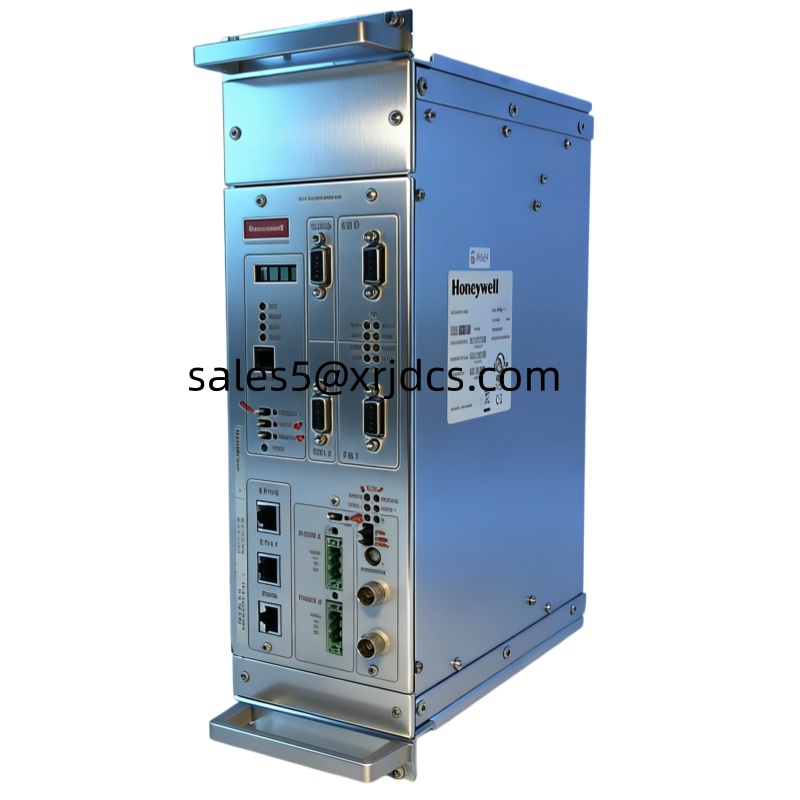
Honeywell FC-R/PB2/N/12: Advanced BACnet Controller for Intelligent Building Automation

FC-RPB2N12

Honeywell FC-R/PB2/N/12: Advanced BACnet Controller for Intelligent Building Automation

Meta Description: Discover the Honeywell FC-R/PB2/N/12 BACnet universal controller featuring MS/TP protocol, free programming, enhanced security, and flexible I/O for HVAC and building automation systems.

The building automation system market is projected to grow from USD 101.34 billion in 2025 to USD 191.13 billion by 2030, representing a CAGR of 13.4%[1]. This rapid expansion reflects the increasing demand for intelligent, energy-efficient building control solutions. The Honeywell FC-R/PB2/N/12 stands at the forefront of this revolution as a robust BACnet universal controller designed to deliver precise automation control for modern buildings.

As a trusted supplier of industrial automation components, plc module provides genuine Honeywell controllers including the FC-R/PB2/N/12, supporting automation professionals worldwide with reliable solutions for building management systems.

What is the Honeywell FC-R/PB2/N/12?

The Honeywell FC-R/PB2/N/12 is a standard BACnet universal controller from the PUC series that supports BACnet MS/TP communication protocol, designed for flexible local control and I/O deployment in building automation applications.

This controller serves as a core control device in building automation systems, offering compatibility with existing Honeywell infrastructure while providing advanced programming capabilities. The FC-R/PB2/N/12 embodies human-centered design philosophy through its intuitive interface, color-coded terminals, and compact footprint. Its BTL, CE, UL, and RoHS certifications ensure compliance with international safety and quality standards.

Key Features of the Honeywell FC-R/PB2/N/12

The FC-R/PB2/N/12 delivers comprehensive functionality for demanding building automation scenarios:

BACnet MS/TP Protocol Support

BACnet MS/TP offers significant advantages for building automation deployments. According to industry analysis, MS/TP provides lower equipment costs and less complex setup compared to BACnet/IP, making it suitable for small to medium-sized buildings[2]. The protocol leverages existing twisted pair copper wiring in older buildings, making it ideal for cost-effective renovations[3]. The FC-R/PB2/N/12 implements this standard protocol to enable flexible field deployment and monitoring of multiple devices across the building network.

Free Programming Capability

Through the embedded programming toolkit, the FC-R/PB2/N/12 enables free programming while maintaining compatibility with existing WEBs tools. This design continuity reduces the learning curve for automation professionals already familiar with Honeywell’s programming environment. The clean interface supports various HVAC application scenarios without requiring extensive retraining.

Enhanced Network Security

Security remains paramount in connected building systems. The FC-R/PB2/N/12 incorporates advanced security encryption standards to protect data transmission across the BACnet network. This enhanced security architecture guards against unauthorized access and ensures data integrity throughout the control system.

Flexible I/O Configuration

The controller supports two different I/O composition modes based on the BACnet MS/TP control bus, accommodating diverse project requirements. The color-coded detachable terminal design facilitates signal type identification, reducing installation errors and simplifying maintenance operations.

Display Panel Integration

Through the Sylk protocol interface, the FC-R/PB2/N/12 connects seamlessly to TR42/TR42E display control panels, providing operators with intuitive local control and monitoring capabilities at key locations throughout the facility.

Technical Specifications

Specification Details
Product Model FC-R/PB2/N/12
Product Series PUC BACnet Universal Controller
Communication Protocol BACnet MS/TP
Programming Tool Embedded Programming Toolkit (WEBs compatible)
Display Interface Sylk Protocol (TR42/TR42E compatible)
Controller Interconnection Point binding function supported
Safety Certifications BTL, CE, UL, RoHS
Terminal Design Color-coded detachable blocks
Weight 12.81 lbs

Primary Applications

The HVAC controls market is projected to grow from USD 25.81 billion in 2025 to USD 39.07 billion by 2030, driven by smart building automation demand[4]. The Honeywell FC-R/PB2/N/12 addresses this market through versatile application support:

HVAC System Control

The controller manages heating, ventilation, and air conditioning equipment with precision, optimizing energy consumption while maintaining occupant comfort. Its programming flexibility accommodates complex HVAC sequences and seasonal adjustments.

Air Handling Unit Control

Air handling units benefit from the FC-R/PB2/N/12’s analog and digital I/O capabilities, enabling control of dampers, fans, heating coils, and cooling coils through a single integrated platform.

Variable Air Volume Systems

For VAV systems, the controller coordinates multiple zone controllers through the BACnet MS/TP network, balancing airflow distribution based on occupancy and thermal load demands.

Chiller Plant Management

The FC-R/PB2/N/12 sequences chiller operation, manages condenser water systems, and optimizes chiller plant efficiency through load balancing algorithms.

Indoor Air Quality Monitoring

Integration with IAQ sensors enables the controller to maintain healthy indoor environments by managing ventilation rates based on CO2 levels, humidity, and other air quality parameters.

Why Choose the Honeywell FC-R/PB2/N/12?

Honeywell brings over a century of technological innovation to building automation. The FC-R/PB2/N/12 represents this legacy through several distinct advantages:

Standardized Design

Built on the international BACnet standard, the controller ensures system openness and future scalability. This standards-based approach protects long-term infrastructure investments and enables integration with third-party BACnet devices.

Proven Reliability

Multiple safety certifications including BTL (BACnet Testing Laboratories) validation confirm the controller’s conformance to BACnet standards and interoperability with other certified devices.

Comprehensive Ecosystem

The FC-R/PB2/N/12 integrates seamlessly with Honeywell’s complete portfolio of building automation products, from field devices to enterprise management platforms, enabling comprehensive solutions for any facility size.

Global Support Network

Honeywell’s worldwide service infrastructure ensures technical support, training resources, and replacement parts availability throughout the product lifecycle.

Available Through plc module

plc module stocks genuine Honeywell FC-R/PB2/N/12 controllers with expert technical support. With extensive experience in industrial automation supply, plc module helps system integrators and facility managers source reliable components for mission-critical building systems. Visit plc module at https://www.saulplconline.com to explore the complete range of Honeywell building automation controllers.

Installation Considerations

Successful deployment of the FC-R/PB2/N/12 requires attention to several key factors:

Network Planning

BACnet MS/TP networks require proper bus topology with 120-ohm termination resistors at both ends. Cable runs should use shielded twisted pair (22 AWG recommended) with maximum lengths not exceeding RS-485 specifications.

Power Requirements

The controller typically operates on 24V AC/DC power. Ensure adequate power supply capacity accounting for all connected field devices and maximum inrush current during startup.

Environmental Conditions

Install the controller in locations with adequate ventilation, away from extreme temperatures, humidity, and electromagnetic interference sources. Maintain minimum clearance around the unit for heat dissipation and service access.

Wiring Organization

Leverage the color-coded terminal blocks to maintain organized wiring. Label all connections clearly and document I/O assignments for future troubleshooting and system modifications.

Comparison with Alternative Controllers

Feature Honeywell FC-R/PB2/N/12 Standard BACnet Controller Basic HVAC Controller
Communication Protocol BACnet MS/TP BACnet MS/TP or IP Proprietary
Free Programming Yes (WEBs compatible) Limited Vendor-specific
Display Integration Sylk protocol (TR42/TR42E) Varies Basic LCD
Security Encryption Advanced standards Basic Minimal
Certifications BTL, CE, UL, RoHS Varies Limited
Color-Coded Terminals Yes No No
Honeywell Ecosystem Full integration N/A N/A

Frequently Asked Questions

What communication protocol does the Honeywell FC-R/PB2/N/12 use?

The Honeywell FC-R/PB2/N/12 uses the BACnet MS/TP (Master-Slave/Token-Passing) communication protocol, which operates over RS-485 twisted pair cabling. This standardized protocol enables interoperability with other BACnet devices and is particularly cost-effective for small to medium building automation deployments.

Can I program the FC-R/PB2/N/12 with existing Honeywell tools?

Yes, the FC-R/PB2/N/12 features an embedded programming toolkit compatible with existing Honeywell WEBs tools. This compatibility allows automation professionals familiar with Honeywell programming environments to develop control sequences without learning new software platforms, reducing implementation time and training costs.

What certifications does the FC-R/PB2/N/12 hold?

The controller holds BTL (BACnet Testing Laboratories), CE, UL, and RoHS certifications. BTL certification confirms compliance with BACnet standards and interoperability with other certified devices. CE and UL certifications ensure safety compliance in European and North American markets respectively, while RoHS confirms environmental compliance.

Where can I purchase a genuine Honeywell FC-R/PB2/N/12 controller?

Genuine Honeywell FC-R/PB2/N/12 controllers are available through authorized distributors including plc module. When sourcing critical automation components, verify authenticity through authorized channels to ensure product quality, warranty coverage, and technical support. plc module provides verified genuine Honeywell products with expert technical assistance.

What is the typical lifespan of the FC-R/PB2/N/12 controller?

Honeywell building automation controllers typically provide 10-15 years of reliable service when properly installed and maintained. Factors affecting lifespan include environmental conditions, power quality, and maintenance practices. Regular firmware updates and preventive maintenance extend operational life and maintain optimal performance.

Conclusion

The Honeywell FC-R/PB2/N/12 represents a mature, reliable solution for building automation applications requiring BACnet MS/TP communication. Its combination of standardized protocols, free programming capability, enhanced security, and Honeywell ecosystem integration delivers value for retrofit projects and new installations alike. As the building automation market continues its rapid growth trajectory toward USD 191.13 billion by 2030, proven controllers like the FC-R/PB2/N/12 provide the foundation for intelligent, energy-efficient facilities.

For system integrators and facility managers seeking genuine Honeywell automation components, plc module offers expert support and reliable supply of the FC-R/PB2/N/12 and related building automation products. Contact plc module today to discuss your building automation requirements and access professional guidance for your next project.

References

[1] MarketsandMarkets, “Building Automation System Market Size, Share & Growth,” 2025. “The building automation system market size is projected to grow from USD 101.34 billion in 2025 to USD 191.13 billion by 2030, at a CAGR of 13.4%”. https://www.marketsandmarkets.com/Market-Reports/building-automation-control-systems-market-408.html

[2] Actility, “When to Use BACnet/IP vs BACnet MS/TP: Key Differences,” 2025. “MS/TP advantages: lower equipment cost, less complex setup, suitable for small to medium-sized buildings”. https://www.actility.com/bacnet-ip-vs-mstp/

[3] Optigo Networks, “Is There Any Life Left in MS/TP?,” 2025. “MS/TP can leverage existing wiring in the walls of older buildings (twisted pair copper) making it ideal for lower cost renovations or improvements”. https://www.optigo.net/is-there-any-life-left-in-ms-tp/

[4] MarketsandMarkets, “HVAC Controls Market report 2024-2030,” 2025. “The HVAC controls Market is projected to grow from USD 25.81 billion in 2025 and is expected to reach USD 39.07 billion by 2030, growing at a CAGR of 8.6%”. https://www.marketsandmarkets.com/Market-Reports/smart-hvac-controls-market-130456761.html

[5] Reliable Controls, “Why use MS/TP communications in building automation systems,” 2025. “Retrofit projects: Many buildings operate legacy systems that rely on BACnet MS/TP for communication”. https://www.reliablecontrols.com/news/article/why-use-mstp-communications-in-building-automation-systems/

[6] DEOS AG, “The most important basics about BACnet,” 2025. “According to the OSI layer model, the BACnet protocol has a high degree of flexibility in terms of communication transmission paths”. https://www.deos-ag.com/en/blog/bacnet-simply-explained/

#BACnet #BuildingAutomation #HVAC #Honeywell #BMS #IndustrialAutomation #SmartBuilding #EnergyEfficiency


The Main Branches of Automation Technology: A Comprehensive Guide to Modern Industrial Control Systems


The Main Branches of Automation Technology: A Comprehensive Guide to Modern Industrial Control Systems

Meta Description: Discover the 7 main branches of automation technology in 2025, from PLC systems to AI-powered solutions. Learn how industrial automation market reaching $238B drives innovation across control systems, robotics, and process automation.

The global industrial automation market reached USD 238.13 billion in 2025 and is projected to grow to USD 449.77 billion by 2032, driven by diverse automation technology branches transforming manufacturing and process industries[^1]. Understanding these branches is essential for businesses seeking to optimize production, reduce costs, and enhance operational efficiency through modern control solutions.

plc module, a leading supplier of industrial automation equipment serving manufacturers worldwide, has observed firsthand how different automation branches address specific industrial challenges. From programmable logic controllers to advanced AI-powered systems, each branch offers unique capabilities designed for particular applications and operational requirements.

What Are the Main Branches of Automation Technology?

The seven main branches of automation technology include: Industrial Process Automation, Discrete Manufacturing Automation, Programmable Logic Controllers (PLCs), Distributed Control Systems (DCS), Supervisory Control and Data Acquisition (SCADA), Robotic Process Automation (RPA), and AI-Powered Intelligent Automation. Each branch serves distinct industrial applications with specialized control architectures and operational methodologies[^2].

These automation branches evolved from different industrial needs and continue to advance through integration of AI, edge computing, and cloud technologies, creating increasingly sophisticated hybrid solutions for modern manufacturing challenges.

1. Industrial Process Automation

Industrial process automation manages continuous manufacturing processes such as chemical production, oil refining, and pharmaceutical manufacturing through integrated control systems that monitor and adjust process variables in real-time[^3]. This branch excels in industries requiring precise temperature, pressure, and flow control across extended production cycles.

Process automation systems typically employ distributed architectures that can manage thousands of control loops simultaneously. The technology proves particularly valuable in industries where process consistency directly impacts product quality and safety compliance.

Key applications include:

  • Chemical and petrochemical processing
  • Pharmaceutical manufacturing
  • Food and beverage production
  • Pulp and paper manufacturing
  • Water and wastewater treatment

plc module supplies critical components for process automation including analog input/output modules from brands like ABB, Emerson, and Honeywell, enabling precise variable control across complex industrial processes.

2. Discrete Manufacturing Automation

Discrete manufacturing automation controls production of distinct items such as automobiles, electronics, and consumer goods through coordinated machine operations, assembly lines, and material handling systems[^2]. Unlike continuous processes, discrete automation focuses on individual unit production with clearly defined start and end points.

This branch encompasses assembly automation, testing systems, and material handling that produce countable products. Modern discrete automation increasingly integrates machine vision, collaborative robotics, and adaptive control systems.

Manufacturing sectors utilizing discrete automation:

  • Automotive assembly and components
  • Electronics and semiconductor fabrication
  • Aerospace and defense manufacturing
  • Consumer goods and appliances
  • Medical device production

3. Programmable Logic Controllers (PLCs)

Programmable Logic Controllers serve as ruggedized industrial computers that execute control logic for machines and processes, offering fast, deterministic control for discrete and sequential operations[^4]. PLCs handle machine-level control tasks with scan times measured in milliseconds, making them ideal for time-critical automation applications.

PLCs operate independently or networked together, processing inputs from sensors and executing programmed logic to control outputs like motors, valves, and actuators. The technology excels at Boolean logic operations and sequential control.

PLC advantages include:

  • High reliability in harsh industrial environments
  • Real-time deterministic control performance
  • Modular expansion capabilities
  • Standardized programming languages (IEC 61131-3)
  • Cost-effectiveness for small to medium applications

plc module offers an extensive range of PLC modules and components from manufacturers including Allen-Bradley, Siemens, GE, Schneider Electric, and Mitsubishi, supporting diverse control architectures across industries.

Brand Primary Application Scan Time Performance Communication Protocols
Allen-Bradley Discrete manufacturing 1-10ms EtherNet/IP, ControlNet
Siemens Process & discrete 1-100ms PROFINET, PROFIBUS
GE Hybrid systems 5-20ms EGD, Modbus TCP
Schneider Electric Building automation 2-50ms Modbus, CANopen

4. Distributed Control Systems (DCS)

Distributed Control Systems provide integrated architectures for managing large-scale continuous processes through coordinated control loops distributed across multiple controllers with centralized monitoring and supervision[^4]. DCS platforms excel in process industries requiring thousands of control loops operating simultaneously with high availability requirements.

Unlike PLCs that operate independently, DCS architectures feature tight integration between controllers, operator interfaces, and engineering workstations. The systems prioritize process stability, redundancy, and comprehensive data historization.

DCS distinguishing characteristics:

  • Centralized engineering and configuration
  • Integrated operator interface design
  • Built-in redundancy and failover mechanisms
  • Advanced regulatory and cascade control algorithms
  • Comprehensive alarm management systems

Industries employing DCS include oil and gas refining, power generation, chemical processing, and pharmaceutical manufacturing where process continuity and regulatory compliance prove critical.

plc module supplies DCS components from leading manufacturers including Emerson DeltaV, Honeywell Experion, ABB System 800xA, and Yokogawa Centum, supporting complex process control applications.

5. Supervisory Control and Data Acquisition (SCADA)

SCADA systems provide supervisory monitoring and control across geographically distributed assets such as pipelines, electrical grids, and water systems through remote terminal units (RTUs) and communication networks[^4]. While PLCs handle local control and DCS manages process automation, SCADA focuses on wide-area monitoring and data collection.

SCADA architectures collect data from remote sites, present unified operator interfaces, and enable centralized command execution across extensive infrastructure networks. The systems excel in applications spanning large geographic areas.

SCADA applications include:

  • Electric power transmission and distribution
  • Natural gas and oil pipeline networks
  • Municipal water distribution systems
  • Transportation infrastructure control
  • Environmental monitoring networks

Modern SCADA platforms increasingly leverage cloud connectivity, mobile operator interfaces, and advanced analytics to enhance operational visibility and decision-making capabilities.

6. Robotic Process Automation (RPA)

Robotic Process Automation employs software robots to automate repetitive digital tasks and workflows by mimicking human interactions with software applications, databases, and systems[^5]. Unlike physical automation branches, RPA operates in the digital realm, automating business processes without requiring changes to underlying systems.

The global RPA market reached USD 22.58 billion in 2025 and projects growth to USD 110.06 billion by 2032, reflecting rapid enterprise adoption across industries[^5]. RPA proves particularly valuable for automating high-volume, rule-based tasks that consume significant human resources.

RPA use cases span:

  • Invoice processing and accounts payable
  • Data entry and migration tasks
  • Report generation and distribution
  • Customer onboarding workflows
  • Inventory management updates

RPA integration with AI capabilities creates intelligent automation that handles exceptions, learns from patterns, and makes context-aware decisions, expanding automation potential beyond rigid rule-based processes.

7. AI-Powered Intelligent Automation

AI-powered intelligent automation combines artificial intelligence, machine learning, and cognitive technologies with traditional automation to create adaptive systems capable of learning, optimizing, and making autonomous decisions[^6]. This emerging branch represents the convergence of multiple automation disciplines enhanced by AI capabilities.

Intelligent automation systems analyze operational data to identify optimization opportunities, predict equipment failures, and automatically adjust control parameters. The technology enables previously impossible automation scenarios requiring perception, judgment, and adaptation.

AI automation capabilities include:

  • Predictive maintenance through pattern recognition
  • Computer vision for quality inspection
  • Natural language processing for documentation
  • Adaptive control optimization algorithms
  • Autonomous mobile robots with navigation intelligence

plc module recognizes the growing integration of AI capabilities into traditional automation equipment, with modern PLCs and controllers increasingly featuring edge AI processing for local intelligent decision-making without cloud dependency.

Comparison of Major Automation Branches

Automation Branch Primary Application Control Architecture Response Time Geographic Scope
PLC Systems Machine control Standalone/networked Milliseconds Single machine/line
DCS Platforms Process control Distributed integrated Seconds Single plant/facility
SCADA Systems Supervisory monitoring Centralized oversight Minutes Multiple sites/regions
RPA Software Business process Server-based Variable Enterprise-wide
AI Automation Adaptive optimization Hybrid/cloud-edge Context-dependent Flexible deployment

How Different Automation Branches Integrate

Modern industrial facilities increasingly deploy hybrid architectures combining multiple automation branches. A typical integrated approach might employ PLCs for machine-level control, coordinated by a DCS for process management, monitored through SCADA for facility-wide visibility, with RPA automating administrative workflows and AI optimizing operational parameters.

Integration approaches include:

  1. Hierarchical Integration: PLCs report to DCS, which connects to SCADA for enterprise visibility
  2. Peer-to-Peer Networks: Controllers communicate directly without hierarchical structures
  3. Cloud-Based Integration: Multiple systems connect through cloud platforms for unified analytics
  4. Edge Computing: Distributed intelligence at field level reduces latency and bandwidth requirements

plc module supplies interface modules, communication gateways, and protocol converters that enable seamless integration across different automation branches and manufacturer platforms.

Selecting the Right Automation Branch for Your Application

Choose your automation approach based on process type (continuous vs. discrete), control complexity (loop count and interdependencies), geographic distribution, response time requirements, and integration needs with existing systems[^2]. No single automation branch optimally addresses all industrial control scenarios.

Selection criteria to consider:

Process Characteristics:

  • Continuous processes favor DCS architectures
  • Discrete manufacturing benefits from PLC-based control
  • Distributed assets require SCADA implementation
  • Business workflows suit RPA deployment

Scale and Complexity:

  • Simple machines: Single PLC sufficient
  • Production lines: Networked PLCs or small DCS
  • Entire plants: Full DCS or SCADA architecture
  • Enterprise operations: Integrated automation platforms

Budget Considerations:

  • PLCs offer lowest initial cost for basic automation
  • DCS provides total cost benefits for large process applications
  • SCADA suits wide-area monitoring without full DCS investment
  • RPA delivers rapid ROI for high-volume business processes

Future Trends in Automation Technology Branches

The industrial automation sector continues evolving through converging technologies. Edge AI brings intelligence to field devices, 5G networks enable wireless automation previously requiring hardwired connections, and digital twin technology creates virtual representations for optimization before physical implementation.

By 2030, automation branches will increasingly blur as unified software platforms manage diverse control tasks through common programming environments and shared data models. Open automation standards like OPC UA facilitate vendor-neutral integration across traditionally siloed systems.

plc module stays at the forefront of these developments, offering cutting-edge automation components from industry-leading manufacturers while maintaining support for legacy systems that remain reliable and productive across industrial operations worldwide.

FAQ

Q: What is the difference between PLC and DCS automation systems?
A: PLCs focus on fast, localized machine control with scan times in milliseconds, operating independently or in networks. DCS provides integrated architecture for large-scale continuous processes with centralized engineering, thousands of coordinated control loops, and built-in redundancy, prioritizing process stability over response speed[^4].

Q: Which automation branch is best for manufacturing facilities?
A: Discrete manufacturing typically benefits from PLC-based automation for individual machine and assembly line control. Continuous process manufacturing such as chemicals or pharmaceuticals requires DCS for integrated process management. Modern facilities often combine both approaches based on specific production requirements[^2].

Q: How does SCADA differ from traditional control systems?
A: SCADA provides supervisory oversight across geographically distributed assets through remote monitoring and centralized data collection, while PLCs and DCS perform direct control functions. SCADA excels at wide-area applications like pipelines and electrical grids where assets span large distances[^4].

Q: What is driving growth in robotic process automation?
A: The RPA market reached USD 22.58 billion in 2025, driven by enterprise demand for automating repetitive digital workflows without modifying underlying systems. RPA delivers rapid ROI by reducing manual data entry, processing tasks, and enabling human workers to focus on higher-value activities[^5].

Q: Can different automation branches work together in the same facility?
A: Modern facilities routinely integrate multiple automation branches through hierarchical architectures, peer-to-peer networks, or cloud platforms. PLCs handle machine control, DCS manages processes, SCADA provides facility-wide monitoring, and RPA automates business workflows—all sharing data through standardized protocols like OPC UA. plc module supplies integration hardware enabling seamless connectivity across manufacturer platforms.

Conclusion

Understanding the seven main branches of automation technology—industrial process automation, discrete manufacturing automation, PLCs, DCS, SCADA, RPA, and AI-powered intelligent automation—enables informed decisions about control system selection and integration. Each branch addresses specific industrial challenges with specialized architectures and capabilities.

As automation technology continues advancing through AI integration, edge computing, and cloud connectivity, the boundaries between branches increasingly blur while specialized strengths remain relevant. plc module delivers comprehensive automation components across all technology branches, supporting industrial operations from legacy system maintenance to cutting-edge intelligent automation implementations.

Explore plc module’s Automation Solutions

Discover comprehensive industrial automation components including PLC modules, DCS spares, SCADA hardware, and integration equipment from leading manufacturers: https://www.saulplconline.com

References

1: Coherent Market Insights, “Industrial Automation Market Size and Forecast, 2025-2032,” 2025. Global industrial automation market valued at USD 238.13 Bn in 2025, projected to reach USD 449.77 Bn by 2032. https://www.coherentmarketinsights.com/industry-reports/industrial-automation-market

2: TPC Wire & Cable, “Discover the Four Key Types of Industrial Automation and Their Varieties,” 2024. Overview of fixed, programmable, flexible, and integrated automation with applications in robotics, PLCs, SCADA, and CNC. https://www.tpcwire.com/blog/discover-industrial-automation-and-its-four-varieties

3: MachinMetrics, “Industrial Automation: How it Works, Types, and Benefits,” 2024. Detailed analysis of fixed, programmable, flexible, and integrated automation systems with implementation benefits. https://www.machinemetrics.com/blog/industrial-automation

4: Panelmatic, “DCS vs PLC vs SCADA,” January 2025. Comprehensive comparison of control system architectures: PLCs for local control, DCS for integrated process management, SCADA for supervisory monitoring. https://www.panelmatic.com/2025/01/08/dcs-vs-plc-vs-scada/

5: Fortune Business Insights, “Robotic Process Automation Market Size & Statistics, 2032,” 2025. Global RPA market valued at USD 22.58 billion in 2025, projected to grow to USD 110.06 billion by 2033. https://www.fortunebusinessinsights.com/robotic-process-automation-rpa-market-102042

6: Forbes Technology Council, “Top Five Automation And Tech Trends For 2025,” January 2025. Analysis of AI-powered automation, edge computing, and intelligent systems transforming enterprise technology. https://www.forbes.com/councils/forbestechcouncil/2025/01/03/top-five-automation-and-tech-trends-for-2025/

#AutomationTechnology #IndustrialAutomation #PLCModule #ProcessControl #ManufacturingAutomation #IndustrialControl #SmartManufacturing


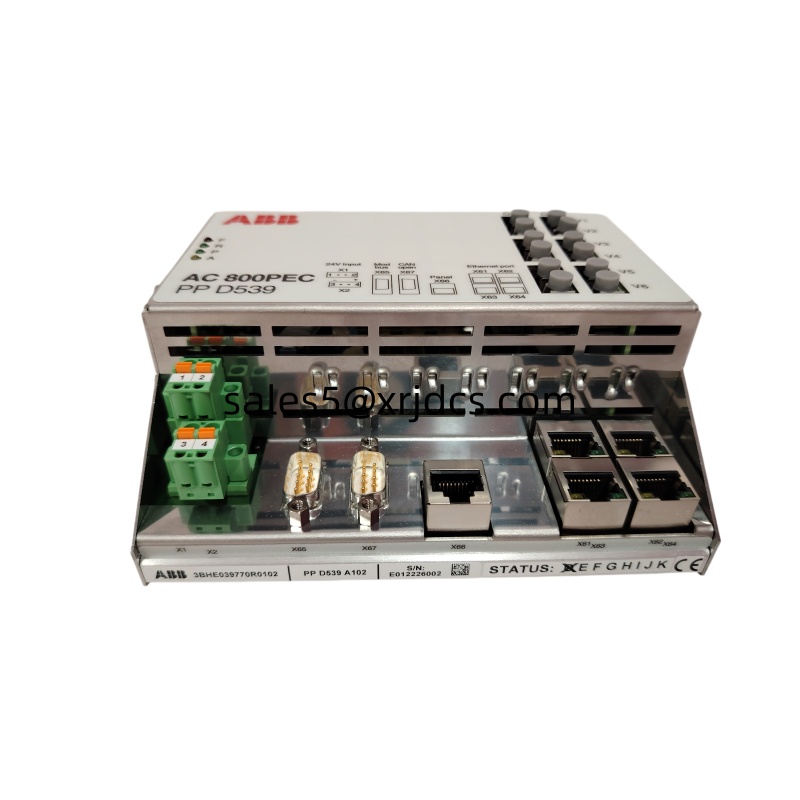
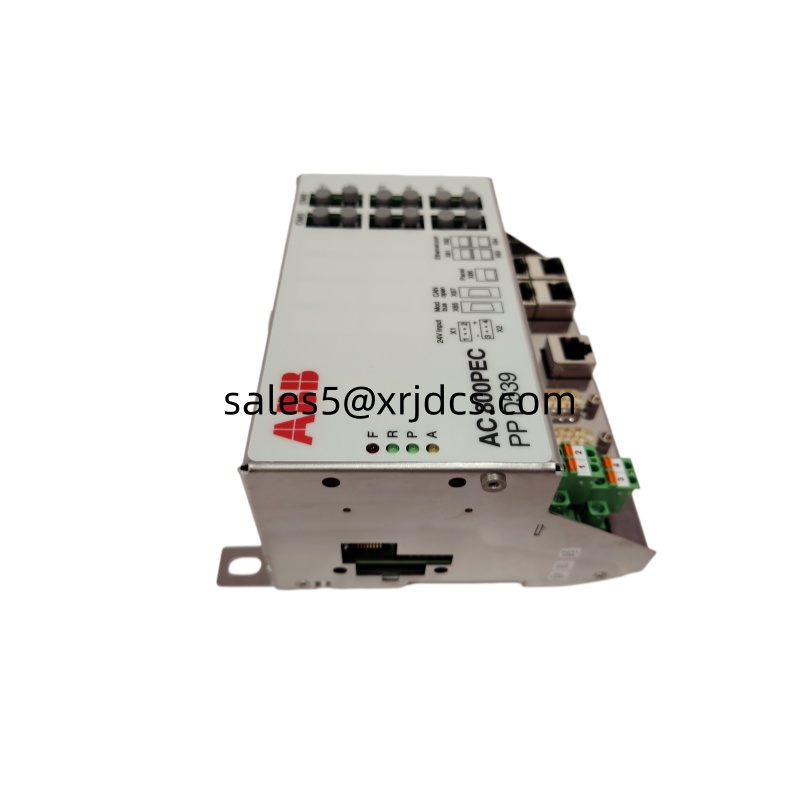
ABB 3BHE039770R0102 PPD539A102 AC800PEC Controller Device – High-Performance Industrial Automation Solution


ABB 3BHE039770R0102 PPD539A102 AC800PEC Controller Device – High-Performance Industrial Automation Solution

Meta Description: ABB 3BHE039770R0102 PPD539A102 AC800PEC Controller delivers ultra-fast control for power electronics with 100μs cycle times. plc module supplies genuine ABB control modules with 1-year warranty. In stock and ready to ship.

The ABB 3BHE039770R0102 PPD539A102 AC800PEC Controller Device is a high-performance programmable logic controller specifically engineered for demanding power electronics applications requiring ultra-fast control algorithms with cycle times from 100 microseconds to several seconds[^1]. This industrial-grade control module delivers the processing power and I/O speed necessary for precision control of high-power rectifiers, frequency converters, wind turbines, traction drives, and advanced metallurgical processes.

plc module, a professional supplier of DCS system spare parts and PLC modules serving global industries including power generation, steel plants, and manufacturing facilities, provides genuine ABB control modules with comprehensive technical support and rapid delivery. With extensive inventory of ABB products and proven expertise in industrial automation systems, plc module ensures you receive authentic, tested components backed by reliable warranty coverage.

ABB PPD539A102 3BHE039770R0102(5)

What is the ABB PPD539A102 3BHE039770R0102 AC800PEC Controller?

The ABB PPD539A102 (part number 3BHE039770R0102) is a compact control device within ABB’s AC 800PEC family, designed to handle complex control tasks in industrial automation environments where conventional PLCs lack sufficient processing speed for power electronics applications[^2]. The AC 800PEC platform combines a powerful CPU with large FPGA (Field-Programmable Gate Array) architecture, enabling simultaneous execution of fast control loops and slower process logic tasks.

This controller module excels in applications requiring real-time response to rapidly changing electrical parameters, making it the optimal solution for industries where precise control of voltage, current, frequency, and power factor proves critical to product quality and operational efficiency.

Key Technical Specifications

Specification Details
Part Number 3BHE039770R0102
Product Code PPD539A102
Product Name PP D539 A102: AC 800PEC Controller Device
System AC 800PEC Control System
Processor High-performance CPU + FPGA architecture
Control Cycle Time 100μs to several seconds (configurable)
I/O Cycle Time 25μs typical for fast analog/digital I/O
Digital I/O 16 digital inputs + 16 digital outputs[^3]
Analog I/O 4 analog inputs[^3]
Communication Protocols Ethernet, RS-232/RS-422 serial ports[^3]
Dimensions 142mm depth × 145.5mm height[^4]
Operating Voltage AC 400V (input voltage)[^5]
Programming Standard IEC 61131-3 compliant
Origin Switzerland (ABB)[^4]
Warranty 1 year (when purchased from plc module)

Core Features and Capabilities

Ultra-Fast Control Algorithm Execution

The ABB AC800PEC controller executes control algorithms with cycle times as fast as 100 microseconds, enabling real-time response to rapid changes in power electronics applications[^1]. This performance level allows the controller to:

  • Manage high-frequency switching in power converters and inverters
  • Execute closed-loop control for voltage, current, and frequency regulation
  • Process multiple time domains simultaneously (fast control loops + slow process logic)
  • Implement advanced control strategies including field-oriented control for motor drives

The modular architecture supports flexible adaptation to different time domain requirements, making a single controller capable of handling both microsecond-level power electronics control and second-level process automation tasks.

Comprehensive I/O Configuration

The PPD539A102 module provides extensive input/output capabilities including 16 digital inputs, 16 digital outputs, and 4 analog inputs, with typical I/O cycle times of 25μs for fast process response[^2][^3]. This I/O configuration enables:

  • Direct connection to power electronics sensors measuring voltage, current, temperature, and position
  • Fast digital signal processing for encoder feedback and switching control
  • Analog signal acquisition from load cells, pressure transducers, and other industrial sensors
  • Real-time output control for actuators, contactors, and power semiconductor switching

The fast I/O response time proves essential in applications where delays of even a few milliseconds can compromise control stability or product quality.

Multi-Protocol Communication Support

The controller supports multiple communication interfaces including Ethernet and RS-232/RS-422 serial protocols, enabling integration with supervisory control systems, HMIs, and remote monitoring applications[^3]. Communication capabilities include:

  • Industrial Ethernet connectivity for integration with plant-wide networks
  • Serial communication for legacy equipment interfacing
  • PROFIBUS DP-V1 compatibility for distributed I/O expansion
  • OPC UA support for modern Industry 4.0 connectivity requirements

plc module supplies communication interface modules compatible with ABB AC800PEC systems, including network adapters and protocol converters for seamless integration with existing automation infrastructure ABB 3BHE039770R0102 PPD539A102.


ABB PPD539A102 3BHE039770R0102(6)

IEC 61131-3 Compliant Programming

The AC 800PEC controller utilizes ABB’s Control Builder software featuring IEC 61131-3 standard programming languages including ladder logic (LD), function block diagram (FBD), structured text (ST), and sequential function charts (SFC)[^6]. This programming flexibility allows:

  • Multi-language program development matching engineer expertise and application requirements
  • Reusable function blocks for common control algorithms
  • Model-based development integration with MATLAB/Simulink for advanced control design
  • Simulation and testing capabilities before commissioning on physical hardware

The standardized programming environment reduces training time and enables efficient code portability across ABB automation platforms.

Primary Applications

Power Electronics and Frequency Converters

The AC 800PEC controller excels in high-power rectifier control, frequency converter operation for microturbines, wind turbines, and traction drives where fast dynamic response proves critical[^7]. Applications include:

  • Active front-end rectifiers requiring precise grid synchronization and harmonic control
  • Variable frequency drives (VFDs) for industrial motor control with field-oriented algorithms
  • DC power supplies for electrochemical processes and battery charging systems
  • Power factor correction systems maintaining grid compliance in industrial facilities

Metallurgical Process Control

The controller manages electrode regulation systems in aluminum smelting, electric arc furnaces, and other metallurgical applications requiring coordinated control of hydraulic positioning and electrical parameters[^8]. Specific metallurgy applications include:

  • Electrode leveling and positioning in submerged arc furnaces
  • Current distribution control across multiple electrodes
  • Thermal management through coordinated power and cooling control
  • Production quality optimization through real-time parameter adjustment

plc module serves steel plants, aluminum smelters, and metal processing facilities worldwide, providing ABB control modules and replacement components that maintain production continuity in demanding high-temperature environments.

Renewable Energy Systems

Wind turbine control systems utilize AC800PEC controllers for pitch angle control, generator synchronization, and power conditioning, ensuring maximum energy capture and grid stability[^7]. Renewable energy applications include:

  • Wind turbine pitch and yaw control optimizing blade angle for varying wind conditions
  • Generator torque and speed control maintaining optimal power production
  • Grid synchronization and power quality management during connection/disconnection
  • Fault ride-through capability maintaining grid connection during voltage disturbances

Industrial Drive Systems

Traction drives for electric vehicles, mining equipment, and material handling systems require the AC800PEC’s fast control response for smooth torque control and energy efficiency[^7]. Industrial drive applications include:

  • Crane and hoist control systems with precise load positioning
  • Conveyor belt drives maintaining material flow consistency
  • Pump and compressor control optimizing energy consumption
  • Electric vehicle propulsion systems delivering smooth acceleration and regenerative braking

Integration with AC 800PEC Control System

The PPD539A102 controller device operates as a core component within ABB’s comprehensive AC 800PEC control system architecture, which includes power supply modules, I/O expansion units, and communication interfaces[^2]. System integration features include:

Modular System Architecture

The AC 800PEC platform supports flexible configuration through:

  • Stackable module design allowing expansion as application requirements grow
  • Hot-swappable I/O modules enabling maintenance without system shutdown
  • Redundant controller configurations for high-availability applications
  • Distributed I/O topology reducing wiring complexity in large installations

Control Builder Engineering Environment

ABB’s Control Builder software provides:

  • Unified engineering workspace for configuration, programming, and diagnostics
  • Simulation capabilities for pre-commissioning testing and validation
  • Online modification features enabling parameter adjustment without stopping production
  • Version control and project management tools for multi-engineer collaboration

plc module supports customers with technical consultation on AC 800PEC system design, component selection, and integration with existing ABB 800xA distributed control systems or third-party SCADA platforms.

Why Choose plc module for ABB AC800PEC Controllers?

Genuine ABB Components with Quality Assurance

plc module supplies authentic ABB control modules including the 3BHE039770R0102 PPD539A102 controller, sourced through authorized channels and verified for authenticity before shipment[^9]. Quality assurance includes:

  • Factory-sealed new modules with original ABB packaging
  • Tested surplus inventory meeting ABB performance specifications
  • Serial number verification confirming genuine ABB manufacture
  • Functional testing using appropriate simulation equipment
  • One-year warranty coverage demonstrating confidence in component quality

Extensive ABB Product Inventory

plc module maintains comprehensive inventory of ABB automation components including:

  • 2,050+ ABB products spanning control modules, I/O cards, communication interfaces, and power supplies
  • AC 800PEC system components including controllers, I/O modules, and accessories
  • 800xA DCS spare parts supporting integrated control systems
  • Legacy component availability extending operational life of aging control systems

This extensive inventory enables rapid fulfillment of both routine replacement orders and emergency breakdown situations where production downtime costs escalate quickly.

Rapid Order Fulfillment

plc module ships large quantities of PLC modules and DCS components within three days for many products, significantly reducing downtime compared to standard manufacturer lead times[^10]. Shipping advantages include:

  • Global logistics network serving customers across continents
  • Expedited shipping options for critical breakdown situations
  • Consolidated orders reducing freight costs for multi-component purchases
  • Customs documentation support facilitating international shipments

Technical Expertise Across Industries

plc module serves diverse industrial sectors including:

  • Power generation facilities requiring AC800PEC controllers for turbine control and electrical protection
  • Steel plants and metal processing utilizing electrode regulation and process automation
  • Cement manufacturing with rotary kiln and material handling control systems
  • Chemical processing plants implementing distributed control architectures
  • Water treatment facilities managing pump control and process monitoring

This cross-industry experience enables technical consultation that addresses sector-specific automation requirements and application challenges.

Installation and Configuration Guidelines

Mechanical Mounting

The PPD539A102 controller module features compact dimensions (142mm × 145.5mm) suitable for standard DIN rail mounting in industrial control panels. Installation considerations include:

  • Ambient temperature rating verification for installation environment
  • Adequate ventilation around controller module for heat dissipation
  • Vibration isolation if mounting in high-vibration locations
  • EMI/RFI shielding in electrically noisy environments near high-power equipment

Electrical Connections

Proper electrical installation ensures reliable operation:

  • Power supply voltage verification (AC 400V input) before connection
  • I/O wiring following ABB specifications to prevent signal interference
  • Grounding connection to equipment ground for electrical safety and noise immunity
  • Communication cable selection appropriate for Ethernet or serial protocols used

Software Configuration

Controller commissioning involves:

  • Control Builder project creation defining I/O configuration and control logic
  • Parameter initialization setting control algorithm gains and setpoints
  • Communication setup establishing network addresses and protocol parameters
  • Simulation testing validating control logic before connecting to physical process

plc module provides technical documentation and application notes supporting successful installation and commissioning of ABB AC800PEC control systems.

Maintenance and Troubleshooting

Preventive Maintenance

Regular maintenance extends controller operational life:

  • Periodic inspection of terminal connections for tightness and corrosion
  • Cooling system verification ensuring adequate airflow and fan operation
  • Firmware updates applying ABB software patches addressing known issues
  • Backup creation of control logic and configuration for disaster recovery

Diagnostic Capabilities

The AC 800PEC controller includes comprehensive diagnostics:

  • Self-test routines executed during startup and operation
  • LED status indicators providing quick visual feedback on operational state
  • Alarm logging recording fault events with timestamps for analysis
  • Remote diagnostic access through Ethernet connectivity for expert support

Replacement Component Availability

When components fail or require upgrade:

  • plc module maintains inventory of common AC 800PEC modules for rapid replacement
  • Cross-reference support identifying compatible alternative components
  • Technical consultation determining root cause of failures and preventive measures
  • Emergency support expediting critical component shipments to minimize downtime

Comparison with Alternative Control Solutions

Feature ABB AC800PEC PPD539A102 Standard PLC PC-Based Control
Control Cycle Time 100μs to seconds 1-10ms typical Variable (OS dependent)
Fast I/O Performance 25μs cycle time 1-5ms typical Limited real-time capability
Power Electronics Suitability Excellent (purpose-built) Limited Moderate (with RT extensions)
Programming Standard IEC 61131-3 + MATLAB integration IEC 61131-3 C/C++, various environments
Industrial Reliability High (sealed, vibration-resistant) High Moderate (depends on hardware)
FPGA Integration Yes (included) No Possible (add-on cards)
Supplier plc module (ABB authorized) Various Various

The AC800PEC’s specialized architecture delivers superior performance in applications where microsecond-level control response proves essential to product quality, energy efficiency, or process stability.

Technical Support and Resources

Documentation Available Through plc module

  • Product datasheets with complete technical specifications
  • Installation manuals providing step-by-step mounting and wiring instructions
  • Programming guides covering Control Builder software usage
  • Application notes demonstrating common control strategies for typical applications

ABB Official Resources

  • AC 800PEC Sales Brochure describing system architecture and capabilities
  • Control Builder Software Documentation with language reference and function block libraries
  • Technical Support Portal providing firmware downloads and knowledge base articles
  • Training Courses on AC 800PEC programming and system commissioning

plc module Technical Consultation

Customers purchasing through plc module receive:

  • Pre-sales application review ensuring component selection matches requirements
  • Integration guidance for connecting AC800PEC with existing control systems
  • Troubleshooting support diagnosing operational issues and recommending solutions
  • Upgrade planning assistance for modernizing aging control infrastructure

Ordering Information

Part Number: 3BHE039770R0102

Product Description: PP D539 A102: AC 800PEC Controller Device (PPD539A102)

Availability: In stock at plc module

Warranty: 1 year from date of purchase

Condition: New (factory-sealed) and tested surplus inventory available

Compatible Components Also Available

plc module supplies complete AC 800PEC system components:

  • Power supply modules providing regulated DC power for controller and I/O
  • I/O expansion modules adding digital, analog, and specialty I/O channels
  • Communication interfaces for PROFIBUS, Ethernet, and serial connectivity
  • Terminal blocks and cabling for field device connections

How to Order

Contact plc module to discuss your application requirements and place orders:

Technical specialists assist with:

  • Component selection based on application specifications
  • Quantity pricing for multi-unit purchases
  • Delivery scheduling coordinating with project timelines
  • Documentation provision including certifications and test reports

Frequently Asked Questions

Q: What is the typical control cycle time for the ABB PPD539A102 AC800PEC controller?

A: The ABB AC800PEC controller executes control algorithms with cycle times ranging from 100 microseconds for fast control loops to several seconds for slower process logic tasks[^1]. This flexibility allows a single controller to handle both high-speed power electronics control and conventional process automation simultaneously, eliminating the need for multiple control platforms.

Q: Can the AC800PEC controller integrate with existing ABB 800xA DCS systems?

A: Yes, the AC 800PEC controller integrates seamlessly with ABB’s 800xA distributed control system through standard communication protocols including Industrial Ethernet and PROFIBUS. plc module supplies both AC 800PEC controllers and 800xA system components, enabling comprehensive control system integration with components from a single supplier and consistent technical support.

Q: What industries typically use the ABB AC800PEC PPD539A102 controller?

A: The AC800PEC controller serves power electronics-intensive industries including metallurgical processing (aluminum smelting, electric arc furnaces), renewable energy (wind turbine control), industrial drives (traction systems, crane control), and power conditioning (active rectifiers, frequency converters)[^7][^8]. plc module serves customers across these sectors with proven expertise in application-specific control system design.

Q: How does plc module ensure the authenticity of ABB control modules?

A: plc module sources ABB components through authorized distribution channels and verifies authenticity through serial number validation, visual inspection for genuine ABB markings and packaging, functional testing using appropriate simulation equipment, and documentation review confirming supply chain provenance. All products include one-year warranty coverage demonstrating quality confidence.

Q: What is the difference between the AC800PEC and standard ABB AC800M controllers?

A: The AC800PEC is specifically designed for power electronics applications requiring ultra-fast control algorithms (100μs cycle times) and includes integrated FPGA architecture for real-time signal processing[^1]. The standard AC800M controller targets general process automation with typical scan times of 1-10 milliseconds. plc module helps customers select the appropriate controller based on application requirements and performance specifications.

Conclusion

The ABB 3BHE039770R0102 PPD539A102 AC800PEC Controller Device delivers exceptional performance for demanding industrial automation applications requiring ultra-fast control response, comprehensive I/O capabilities, and flexible programming options. With cycle times as fast as 100 microseconds and robust industrial construction, this controller proves ideal for power electronics, metallurgical processes, renewable energy systems, and advanced drive applications where conventional PLCs lack sufficient processing speed.

plc module serves as your trusted supplier for genuine ABB control modules, offering extensive inventory, rapid delivery, technical expertise, and reliable warranty coverage. With over 2,050 ABB products in stock and proven experience serving global industries, plc module delivers the automation components and support services necessary to maintain production continuity and optimize system performance.

Whether replacing failed components in existing AC 800PEC systems, expanding control capabilities with additional modules, or designing new installations requiring high-performance control solutions, plc module provides the products and expertise to ensure project success.

Contact plc module for ABB AC800PEC Controllers

Explore plc module’s comprehensive inventory of ABB control modules, I/O devices, and system components for industrial automation applications:

Email: sales5@xrjdcs.com
WhatsApp: +86 18250705533
Website: https://www.saulplconline.com

Discover how plc module’s ABB automation solutions deliver reliability, performance, and value for your critical control systems.

References

1: ABB, “AC 800PEC The high-performance control system for power electronics and demanding applications,” 2024. Control cycle times range from 100 microseconds for fast control loops to seconds for long-term process logic. https://library.e.abb.com/public/a7566254919255a0c12578c3003355f7/AC%20800PEC%20Sales%20Brochure.pdf

2: ABB Documentation, “3BHE039770R0102 PP D539 A102: AC 800PEC Controller Device,” 2024. Programmable logic controller for industrial automation applications. https://www.abb-sis.com/manual/3BHE039770R0102-PPD539.html

3: Weikun Industry, “PPD539A102 | AC 800PEC control unit | 3BHE039770R0102,” 2024. Features 16 digital inputs, 16 digital outputs, 4 analog inputs; supports Ethernet, RS-232/RS-422 communication protocols. https://www.weikunfadacai1.com/product/ppd539a102-ac-800-pec-control-unit-abb-3bhe039770r0102-ppd539a102/

4: XBPLCDCS, “PPD539A102 3BHE039770R0102 AC 800PEC control device,” 2024. Dimensions: 142mm depth × 145.5mm height; Origin: Switzerland. https://www.xbplcdcs.com/Product/2674.html

5: SZCXDCS, “PP D539 PPD539 A102 3BHE039770R0102 AC800PEC Controller,” 2024. Input voltage: AC 400V; Input current: 212A. https://www.szcxdcs.com/product/pp-d539-ppd539-a102-3bhe039770r0102-ac800pec-series-excitation-communication-controller/

6: ABB, “AC 800PEC Control System,” 2024. IEC 61131-3 compliant engineering tool; Windows integrated programming environment. https://library.e.abb.com/public/d15f081fec7895a5c1257b130056e0fd/3BHS201058E01_REV-_AC800PEC%20Sales%20Brochure.pdf

7: MathWorks, “ABB Accelerates Application Control Software Development,” 2024. AC 800PEC controls high-power rectifiers, frequency converters for microturbines, wind turbines, traction drives. https://fr.mathworks.com/company/user_stories/abb-accelerates-application-control-software-development-for-a-power-electronic-controller.html

8: ABB Documentation, “ABB AC 800PEC High Performance Control System Aluminium applications,” 2024. Includes ELREG (electrode regulation; control of the anode hydraulic system) function for metallurgical applications. https://www.chnscs.com/manual/AC-800PEC–.html

9: plc module, “DCS System Spare Parts | PLC Module Supplier,” 2025. Professional supplier leveraging global supply chain advantages to provide cost-effective industrial automation spare parts. https://www.saulplconline.com

10: plc module, “Why book with us,” 2025. Large quantities of PLC modules and DCS modules can be shipped within three days. https://www.saulplconline.com

#ABB #AC800PEC #IndustrialAutomation #PLCController #PowerElectronics #ProcessControl #IndustrialControl #AutomationSolution #PLCModule #DCSSpares


How to Solve Precision Problems in Multi-Axis Motion Control Systems

The global multi-axis motion controller market reached $1.87 billion in 2025, yet precision accuracy remains the primary challenge facing 68% of industrial automation operators[1]. As manufacturers demand tighter tolerances and faster cycle times, multi-axis motion control systems face increasing pressure to deliver sub-micron positioning accuracy while maintaining perfect synchronization across multiple axes.

Hong Kong Saul Electrical Limited (plc module), a trusted supplier of industrial automation equipment serving global manufacturers, specializes in advanced PLC modules and motion control solutions from leading brands including ABB, Bently Nevada, EMERSON, Triconex, and FANUC. With over 2,000 ABB products and comprehensive DCS system spare parts, plc module delivers the precision components manufacturers need to solve complex motion control accuracy challenges.

This comprehensive guide explores the root causes of precision problems in multi-axis systems and provides practical, field-tested solutions that engineers can implement to achieve reliable, repeatable accuracy in demanding industrial applications.

Understanding Multi-Axis Motion Control Precision Challenges

Precision problems in multi-axis motion control systems stem from four primary sources: mechanical backlash, thermal drift, encoder resolution limitations, and axis synchronization errors[2].

Multi-axis systems coordinate the simultaneous movement of multiple independent axes to execute complex trajectories. The more axes involved, the more opportunities for cumulative error. Research shows that system resonance, calibration drift, vibration cross-talk, overshoot, and thermal instability all compound as axis count increases[3].

Common precision-limiting factors include:

  • Mechanical backlash: Gaps in gearboxes, couplings, and ball screws creating lost motion during direction reversal
  • Thermal expansion: Temperature variations causing dimensional changes in mechanical components
  • Encoder quantization: Limited feedback resolution restricting positioning accuracy
  • Axis synchronization lag: Timing delays between master and follower axes during coordinated moves
  • Vibration coupling: Resonance from one axis affecting the stability of adjacent axes
  • Servo tuning mismatch: Inconsistent gain parameters across multiple axes causing tracking errors

Addressing these challenges requires systematic analysis of mechanical, electrical, and control system parameters. plc module provides the industrial-grade control modules and sensors necessary to implement advanced compensation strategies that deliver consistent precision.

Solution 1: Implement Advanced Backlash Compensation

Software backlash compensation eliminates up to 90% of positioning error caused by mechanical play by automatically adjusting command positions during direction reversals[4].

Backlash occurs when there is clearance between mating mechanical parts. In motion systems, this manifests as lost motion when an axis changes direction. The control system commands movement, but the load doesn’t respond until the mechanical gap closes.

How to Configure Backlash Compensation

Step-by-step backlash compensation procedure:

  1. Measure actual backlash: Use a precision dial indicator to measure lost motion when reversing axis direction
  2. Input compensation values: Enter measured backlash distance (in millimeters or degrees) into motion controller parameters
  3. Enable directional correction: Configure controller to apply offset whenever axis reverses direction
  4. Verify accuracy: Test positioning accuracy with multiple direction reversals
  5. Fine-tune parameters: Adjust compensation values based on actual positioning results

Modern motion controllers like those available from plc module include built-in backlash compensation functions that automatically correct actual position values by the backlash amount every time an axis reverses direction[5]. This software approach eliminates positioning errors without requiring expensive mechanical modifications.

For systems requiring maximum precision, combine software compensation with mechanical solutions:

  • Use preloaded ball screws to minimize mechanical clearance
  • Select backlash-free couplings and gearboxes
  • Implement dual-drive systems with opposing spring loads
  • Deploy servo drives with intelligent backlash compensation features that adapt to changing mechanical conditions[6]

plc module supplies precision servo drives from FANUC, Woodward, and other manufacturers that feature advanced backlash compensation algorithms designed for industrial environments.

Solution 2: Optimize Encoder Resolution and Feedback Systems

Increasing encoder resolution from 2,000 to 20,000 pulses per revolution improves positioning accuracy by a factor of 10, enabling sub-micron precision in critical applications[7].

Encoder resolution directly determines the smallest position increment a motion system can detect and control. The theoretical best positioning accuracy equals 360 degrees divided by (encoder lines × 4 in quadrature mode)[8].

Selecting the Right Encoder for Your Application

Encoder selection criteria for precision systems:

Application Type Recommended Resolution Encoder Type Typical Accuracy
General positioning 1,000-2,000 PPR Incremental optical ±0.1°
High-speed packaging 2,000-5,000 PPR Quadrature incremental ±0.05°
Precision machining 10,000-20,000 PPR Absolute optical ±0.01°
Ultra-precision assembly 50,000+ PPR Absolute multi-turn ±0.001°

Critical considerations:

  • Resolution vs. system mechanics: Even the highest resolution encoder proves ineffective if mechanical backlash, bearing runout, or thermal expansion exceed encoder resolution[9]
  • Repeatability: Precision differs from accuracy—an encoder may consistently return to the same position (good repeatability) while being offset from true position (poor accuracy)[10]
  • Environmental factors: Temperature, vibration, and contamination affect encoder performance
  • Controller capability: Motion controller input frequency limits determine maximum usable encoder speed

For demanding applications, plc module offers high-precision encoders and servo feedback systems from Bently Nevada and other leading manufacturers. These absolute encoders maintain position information through power cycles and deliver accuracy exceeding 2-10 times their claimed specifications[11].

Upgrading Feedback Systems

When upgrading encoder systems, follow this workflow:

  1. Calculate required resolution: Determine smallest required position increment
  2. Verify controller compatibility: Ensure motion controller supports high-frequency encoder signals
  3. Select appropriate interface: Choose sin/cos analog, EnDat, BiSS, or other encoder protocol based on noise immunity needs
  4. Calibrate system: Perform multi-point calibration to map encoder readings to actual mechanical positions
  5. Test repeatability: Verify system returns to same position consistently across full travel range

Solution 3: Master Multi-Axis Synchronization Techniques

Advanced synchronization algorithms reduce tracking errors between master and follower axes to less than 5 microseconds, enabling precise coordinated motion in high-speed applications[12].

Multi-axis synchronization ensures that multiple axes move together with precise timing relationships. Poor synchronization causes contour errors in CNC machining, registration problems in printing systems, and dimensional inaccuracy in additive manufacturing.

Synchronization Methods

Electronic gearing: Mathematically couples follower axis position to master axis through programmable gear ratio. The follower axis tracks master position multiplied by the gear ratio, enabling coordinated motion without mechanical linkages.

Electronic camming: Uses stored cam profile tables to define precise follower position for each master position. This allows complex non-linear motion relationships for applications like packaging, labeling, and converting machinery.

Cross-coupling control: Advanced algorithm that monitors position error between multiple axes and applies corrective commands to maintain coordinated motion. Research demonstrates that eliminating follower-axis disturbances from master-axis control achieves excellent synchronization accuracy[13].

Coordinated interpolation: Motion controller calculates trajectory for all axes simultaneously, ensuring smooth path following in multi-dimensional space. Critical for 5-axis machining and robotic applications.

Configuring Synchronized Motion in PLC Systems

plc module provides motion-optimized PLC modules from ABB, GE, and Honeywell that integrate synchronized motion control capabilities with traditional logic control. These systems excel in applications requiring coordination between discrete automation and precision motion[14].

Implementation steps:

  1. Define master axis: Select axis that provides timing reference (often encoder on material web or virtual axis)
  2. Configure slave axes: Set electronic gearing ratios or cam profile tables
  3. Tune each axis independently: Optimize servo gains for consistent dynamic response
  4. Enable synchronization: Activate electronic gearing or camming function
  5. Monitor tracking error: Verify position difference between master and slaves remains within tolerance
  6. Adjust lead compensation: Add predictive feedforward to minimize tracking lag during acceleration

Solution 4: Implement Thermal Compensation Strategies

Thermal compensation algorithms reduce positioning errors caused by temperature-induced expansion by up to 85%, maintaining accuracy across wide operating temperature ranges[15].

Metal machine components expand when temperature increases. A 10°C temperature rise causes steel to expand approximately 0.12mm per meter of length. In precision systems with tight tolerances, this thermal growth creates significant positioning errors.

Thermal Management Techniques

Active thermal compensation:

  • Install temperature sensors at critical mechanical locations
  • Measure temperature at each axis throughout operating cycle
  • Apply position offset based on measured temperature and known thermal expansion coefficient
  • Update compensation dynamically as temperature changes

Passive thermal control:

  • Use low thermal expansion materials (Invar, carbon fiber composites, ceramic) for critical structural components
  • Maintain consistent ambient temperature through environmental controls
  • Allow adequate warm-up time before precision operations
  • Design symmetrical thermal paths to balance expansion

Predictive thermal modeling: Advanced motion controllers from manufacturers like EMERSON and Triconex (available through plc module) incorporate thermal models that predict temperature-related position drift based on duty cycle, enabling proactive compensation before errors accumulate.

Solution 5: Optimize Servo Tuning Parameters

Properly tuned servo systems achieve position settling times under 10 milliseconds while maintaining stability margins exceeding 6dB, eliminating overshoot and oscillation that compromise precision[16].

Servo tuning determines how aggressively the control system responds to position errors. Under-tuned systems respond slowly and exhibit tracking lag. Over-tuned systems oscillate or become unstable.

Systematic Servo Tuning Process

For each axis in a multi-axis system:

  1. Set conservative gains: Start with low proportional, integral, and derivative (PID) gains
  2. Increase proportional gain: Gradually raise until system begins to oscillate, then reduce by 40-50%
  3. Add derivative gain: Increase to dampen oscillations and improve stability
  4. Tune integral gain: Add slowly to eliminate steady-state error without introducing instability
  5. Optimize velocity feedforward: Configure feedforward to reduce tracking error during constant-velocity moves
  6. Add acceleration feedforward: Tune to minimize following error during acceleration and deceleration
  7. Test with actual load: Verify tuning remains stable under production conditions with varying loads

Multi-axis tuning considerations:

  • Match dynamic response across all axes to maintain coordinated motion accuracy
  • Account for axis coupling effects where motion of one axis affects load on another
  • Configure notch filters to suppress mechanical resonances at specific frequencies
  • Balance bandwidth vs. noise immunity based on application requirements

plc module supplies servo drives and motion controllers with advanced auto-tuning features that automatically optimize PID parameters and feedforward gains, reducing commissioning time while ensuring optimal performance.

Solution 6: Deploy Real-Time Monitoring and Diagnostics

Continuous monitoring of position error, velocity deviation, and torque load enables predictive maintenance that prevents 70% of precision-related failures before they impact production[17].

Modern industrial motion systems generate extensive diagnostic data. Analyzing this data reveals developing problems before they cause quality defects or equipment damage.

Key Performance Indicators to Monitor

Position following error: Difference between commanded position and actual position. Increasing following error indicates mechanical wear, inadequate servo tuning, or excessive load.

Velocity tracking accuracy: How closely actual velocity matches commanded velocity. Deviation suggests friction changes, binding, or servo gain degradation.

Torque/current consumption: Motor current required to execute motion. Rising current indicates increasing mechanical resistance from wear, contamination, or misalignment.

Vibration frequency spectrum: FFT analysis of position or acceleration signals reveals mechanical resonances and bearing defects.

Settling time: Time required for position to stabilize after a move. Increasing settling time indicates damping loss or emerging mechanical problems.

plc module provides industrial control modules from ABB, Bently Nevada, and other manufacturers that integrate advanced diagnostics and condition monitoring capabilities. Bently Nevada vibration monitoring modules, in particular, excel at detecting developing mechanical issues in motion systems[18].

Solution 7: Maintain Mechanical System Integrity

Regular mechanical maintenance prevents 85% of precision problems by eliminating root causes before they affect motion accuracy[19].

Even the most sophisticated control algorithms cannot overcome excessive mechanical wear, misalignment, or contamination. Maintaining mechanical components in proper condition ensures control systems can deliver their full precision potential.

Essential Mechanical Maintenance Tasks

Lubrication management:

  • Follow manufacturer-specified lubrication schedules for bearings, ball screws, and linear guides
  • Use appropriate lubricant types for temperature and speed conditions
  • Monitor lubricant condition and replace before degradation
  • Implement automatic lubrication systems for critical components

Alignment verification:

  • Check coupling alignment using dial indicators or laser alignment tools
  • Verify linear guide parallelism and perpendicularity
  • Measure and correct angular errors in multi-axis assemblies
  • Re-align after any mechanical service or component replacement

Wear inspection:

  • Measure ball screw backlash and preload
  • Inspect bearing condition using vibration analysis
  • Check belt tension and tooth wear on timing belt drives
  • Replace worn components before accuracy degrades below tolerance

Contamination control:

  • Protect precision components with bellows and seals
  • Maintain clean operating environment
  • Implement air filtration systems
  • Clean debris from slideways and machine bases regularly

plc module supplies replacement components and spare parts from leading manufacturers including FOXBORO, Schneider, and REXROTH to support preventive and corrective maintenance programs that maximize system uptime and precision.

Integrating Solutions for Maximum Precision

Achieving optimal multi-axis motion control precision requires systematic integration of mechanical, control, and software solutions tailored to specific application requirements.

No single solution addresses all precision challenges. The most effective approach combines multiple techniques:

  • Start with mechanical foundation: Eliminate or minimize backlash, improve structural rigidity, select appropriate bearings and guides
  • Implement high-resolution feedback: Deploy encoders with resolution 4-10× finer than required positioning accuracy
  • Configure advanced compensation: Enable backlash compensation, thermal correction, and lead/lag compensation features
  • Optimize servo tuning: Match dynamic response across axes while maintaining adequate stability margins
  • Enable synchronization: Configure electronic gearing, camming, or cross-coupling for coordinated motion
  • Monitor system health: Track diagnostic parameters to detect developing issues before precision degrades

plc module serves as your trusted partner in implementing precision motion control solutions. With comprehensive inventory including ABB, EMERSON, Triconex, GE, Honeywell, and FANUC components, plc module delivers the industrial-grade modules, drives, and sensors required for demanding motion applications.

FAQ

Q: What is the most common cause of precision loss in multi-axis systems?

A: Mechanical backlash from worn ball screws, gearboxes, and couplings accounts for approximately 40% of precision problems in industrial motion systems[20]. Software backlash compensation eliminates most positioning errors without mechanical replacement. plc module supplies precision servo drives with integrated backlash compensation from manufacturers including FANUC and Woodward.

Q: How do I determine if my encoder resolution is adequate?

A: Encoder resolution should be 4-10 times finer than required positioning accuracy[21]. Calculate minimum resolution using the formula: Required PPR = (360° × Safety Factor) / (Accuracy Requirement in degrees). For linear systems, convert linear accuracy to rotational accuracy using lead screw pitch. plc module offers high-resolution absolute encoders from Bently Nevada that exceed accuracy requirements for demanding applications.

Q: What synchronization accuracy is achievable in modern multi-axis systems?

A: Advanced motion controllers with cross-coupling control algorithms achieve synchronization accuracy under 5 microseconds between master and follower axes[22]. This enables precise coordinated motion even at high speeds. plc module provides motion-optimized PLC modules from ABB and GE that integrate sophisticated synchronization functions for industrial automation.

Q: How often should servo tuning be performed?

A: Initial servo tuning during commissioning typically remains stable for months or years if mechanical conditions don’t change. Re-tune servos whenever mechanical components are replaced, loads significantly change, or following error increases beyond acceptable limits. Monitoring systems from Bently Nevada (available through plc module) detect servo performance degradation automatically.

Q: Can thermal compensation really improve accuracy significantly?

A: Yes, thermal compensation reduces temperature-related positioning errors by 80-90% in applications with significant temperature variations[23]. This proves essential for long-term accuracy in systems that experience thermal cycling. EMERSON and Triconex motion controllers supplied by plc module include advanced thermal modeling capabilities.

Conclusion

Solving precision problems in multi-axis motion control systems requires systematic analysis and integrated solutions addressing mechanical, control, and software factors. By implementing backlash compensation, optimizing encoder resolution, mastering synchronization techniques, applying thermal compensation, properly tuning servos, monitoring system health, and maintaining mechanical integrity, engineers achieve reliable sub-micron accuracy even in demanding industrial applications.

Hong Kong Saul Electrical Limited (plc module) supports manufacturers worldwide with comprehensive motion control solutions from leading brands including ABB, Bently Nevada, EMERSON, Triconex, FANUC, GE, and Honeywell. With extensive inventory of precision components and expert technical support, plc module delivers the industrial automation equipment necessary to overcome motion control challenges and achieve production excellence.

Contact plc module for Precision Motion Control Solutions

Explore plc module’s comprehensive catalog of industrial automation components and motion control modules. Contact our technical team for application-specific recommendations:

Phone: +86 18250705533
Email: sales5@xrjdcs.com
Website: https://www.saulplconline.com

References

  1. Intel Market Research, “Multi Axis Motion Controller Market Outlook 2026-2034,” 2025. https://www.intelmarketresearch.com/multi-axis-motion-controller-market-36510
  2. Intel Market Research, “Multiaxis Precision Motion Stages Market Outlook 2025-2032,” 2025. https://www.intelmarketresearch.com/multi-axis-precision-motion-stages-market-7893
  3. Alio Industries, “Multi-Axis Motion Control for Industrial Automation,” 2025. https://alioindustries.com/multi-axis-motion-control-for-industrial-automation-more-axes-more-problems-not-with-alio/
  4. ABB, “Motion control for AC500 PLC,” 2025. https://www.abb.com/global/en/areas/motion/plc/expertise-technology/ac500-plc-motion-control
  5. Siemens SiePortal, “Backlash compensation,” 2025. https://sieportal.siemens.com/es-cr/products-services/10356419
  6. Advanced Motion Controls, “Servo Drive Trends for 2025,” 2025. https://www.a-m-c.com/servo-drive-trends-for-2025/
  7. Dynapar, “Encoder Resolution, Encoder Accuracy & Repeatability,” 2025. https://www.dynapar.com/knowledge/encoder-basics/encoder-resolution/encoder-resolution-encoder-accuracy-repeatability/
  8. CNCzone Forums, “What is the accuracy of servo position encoders,” 2025. https://www.cnczone.com/forums/servo-motors-drives/368514-accuracy-servo-position-encoders.html
  9. Heidenhain, “How to find the right encoder for a servo motor,” 2025. https://www.heidenhain.us/resources-and-news/right-encoder-for-a-servo-motor/
  10. US Digital, “Encoder Resolution, Accuracy and Precision,” 2025. https://www.usdigital.com/news/blog/encoder-resolution-accuracy-and-precision/
  11. Rozum, “The Right Encoder For a Servo Motor,” 2025. https://rozum.com/encoder-servo-motor/
  12. SPIE Digital Library, “Design of a multiaxis synchronous motion control experimental platform,” 2025. https://www.spiedigitallibrary.org/conference-proceedings-of-spie/13954/1395404/Design-of-a-multiaxis-synchronous-motion-control-experimental-platform-based/10.1117/12.3085167.full
  13. IEEE Xplore, “A Trajectory Planning and Control Method for Multi-Axis,” 2025. https://ieeexplore.ieee.org/abstract/document/11382715/
  14. Design World, “Next-Level PLC Motion Control,” 2025. https://www.designworldonline.com/next-level-plc-motion-control/
  15. Advanced Motion Controls, “Servo Drive Trends for 2025,” 2025. https://www.a-m-c.com/servo-drive-trends-for-2025/
  16. ACS Motion Control, “High Precision Motion Control Systems & Solutions,” 2025. https://acsmotioncontrol.com/
  17. Intel Market Research, “Multiaxis Precision Motion Stages Market Outlook 2025-2032,” 2025. https://www.intelmarketresearch.com/multi-axis-precision-motion-stages-market-7893
  18. Hong Kong Saul Electrical Limited, “BENTLY NEVADA 136188-02 Vibration Monitoring Module,” 2025. https://www.saulplconline.com/product/bently-nevada-136188-02-vibration-monitoring-module/
  19. Alio Industries, “Multi-Axis Motion Control for Industrial Automation,” 2025. https://alioindustries.com/multi-axis-motion-control-for-industrial-automation-more-axes-more-problems-not-with-alio/
  20. Valin, “Understanding and Mitigating Backlash in Mechanical Systems,” 2025. https://www.valin.com/resources/blog/understanding-and-mitigating-backlash-mechanical-systems
  21. Heidenhain, “How to find the right encoder for a servo motor,” 2025. https://www.heidenhain.us/resources-and-news/right-encoder-for-a-servo-motor/
  22. SPIE Digital Library, “Design of a multiaxis synchronous motion control experimental platform,” 2025. https://www.spiedigitallibrary.org/conference-proceedings-of-spie/13954/1395404/Design-of-a-multiaxis-synchronous-motion-control-experimental-platform-based/10.1117/12.3085167.full
  23. Advanced Motion Controls, “Servo Drive Trends for 2025,” 2025. https://www.a-m-c.com/servo-drive-trends-for-2025/

Top Automation Technology Companies vs Niche Suppliers: Choosing the Right Partner for Your Industrial Needs

The global industrial automation market is projected to grow from USD 169.82 billion in 2025 to USD 443.54 billion by 2035, expanding at a compound annual growth rate (CAGR) of 9.12%[1]. As manufacturers face this rapid transformation, one critical decision emerges: Should you partner with established automation technology giants like Siemens, ABB, and Rockwell Automation, or work with specialized niche suppliers who understand your specific industry challenges?

Hong Kong Saul Electrical Limited, serving industrial automation professionals across multiple sectors including steel plants, paper mills, power generation facilities, and chemical industries, has analyzed both approaches to help you make informed decisions about your automation infrastructure investments.

Quick Answer: Which Automation Partner is Right for You?

Large automation technology companies excel at providing comprehensive, standardized solutions with global support networks and extensive R&D capabilities, making them ideal for enterprises requiring scalable, future-proof systems[2]. However, niche suppliers like Hong Kong Saul Electrical Limited offer specialized expertise in DCS system spare parts and PLC module sourcing, delivering cost-effective solutions with personalized service, rapid fulfillment, and access to both current and discontinued control system components[3].

The optimal choice depends on your specific requirements: project scale, budget constraints, technical complexity, legacy system integration needs, and the level of specialized support required for your industry vertical.

Understanding the Automation Technology Landscape

Major Global Players: The Industry Giants

The automation technology sector is dominated by multinational corporations with decades of engineering expertise and comprehensive product portfolios.

Siemens stands as a global technology leader driving innovation in industry, infrastructure, and mobility through digital transformation[4]. The company provides integrated building automation, distribution automation, and comprehensive industrial control systems spanning hardware, software, and services.

ABB Group positions itself as a global technology leader in electrification and automation, helping industries become more productive, efficient, and sustainable[5]. ABB offers a broad range of automation, electrification, and digital solutions for process, hybrid, and maritime industries, including the AC500 PLC platform proven across infrastructure and machine building applications.

Rockwell Automation delivers smart manufacturing and industrial automation solutions headquartered in Milwaukee, Wisconsin[6]. The company provides market-leading hardware, software, and services through its Allen-Bradley product line, meeting customers across their automation journey with solutions designed for resilience, agility, and sustainability.

These automation giants share common characteristics: extensive global presence, significant R&D investments, comprehensive product ecosystems, standardized solutions scalable across industries, and established training and certification programs.

Niche Suppliers: The Specialized Experts

Niche automation suppliers occupy a distinct market position, focusing on specific product categories, industries, or service models that larger corporations may not prioritize.

Hong Kong Saul Electrical Limited exemplifies the niche supplier model, specializing in DCS system spare parts and PLC modules from leading manufacturers including ABB, A-B (Allen-Bradley), Bently Nevada, EMERSON, Schneider, and Triconex[7]. With over 2,050 ABB products, 480 EMERSON modules, 320 FOXBORO components, and 1,488 GE units in inventory, the company leverages global supply chain advantages to provide cost-effective industrial automation spare parts solutions.

Niche suppliers typically offer: specialized product knowledge in specific automation categories, access to discontinued and legacy components, flexible pricing models without corporate overhead, personalized customer service and technical consultation, rapid order fulfillment from specialized inventory, and cost advantages for specific component categories.

Comprehensive Comparison: Giants vs Niche Suppliers

Criteria Global Automation Giants Niche Suppliers
Product Range Comprehensive ecosystems (hardware, software, services) Specialized focus (spare parts, specific modules, legacy components)
Pricing Model Premium pricing with standardized tiers; enterprise volume discounts Competitive pricing with flexibility; cost-effective for component sourcing
Support Structure 24/7 global support networks; regional service centers Personalized direct support; rapid response for specialized needs
Lead Times Standard delivery schedules; may be longer for custom solutions Expedited fulfillment for in-stock items; 3-day shipping for many modules[8]
Legacy System Support Limited support for discontinued products; migration focus Extensive access to discontinued components; specialty in legacy systems
Technical Expertise Broad automation knowledge; standardized training programs Deep specialized knowledge; industry-specific application expertise
Innovation & R&D Significant investment in emerging technologies (AI, IIoT, digital twins) Focus on sourcing optimization and supply chain innovation
Geographic Reach Global presence with local offices in major markets Targeted regional presence with global shipping capabilities

When to Choose Global Automation Technology Companies

Greenfield Projects and New Installations

Global automation giants excel at designing and implementing comprehensive automation systems for new facilities. Siemens, ABB, and Rockwell Automation provide integrated solutions that combine programmable logic controllers, distributed control systems, human-machine interfaces, industrial networking infrastructure, and manufacturing execution systems into unified architectures.

If you’re building a new manufacturing facility, modernizing an entire plant, or implementing Industry 4.0 initiatives across multiple sites, the comprehensive product ecosystems and proven integration methodologies offered by major automation companies deliver significant advantages.

Enterprise-Scale Standardization

Large organizations operating multiple facilities benefit from standardized automation platforms. Rockwell Automation’s Allen-Bradley systems or Siemens SIMATIC controllers enable consistent engineering practices, centralized maintenance procedures, standardized training programs, and unified spare parts inventories across global operations.

ABB’s Process Automation business provides industry-specific integrated automation, electrification, and digital solutions, with control technologies and software designed for process and hybrid industries[9]. This comprehensive approach supports enterprise-wide digital transformation strategies and long-term automation roadmaps.

Cutting-Edge Technology Requirements

Organizations requiring advanced automation capabilities—such as artificial intelligence integration, industrial internet of things (IIoT) connectivity, augmented reality maintenance tools, predictive analytics platforms, or digital twin simulation—find that global automation companies lead in research and development investments.

Major automation companies allocate substantial resources to emerging technologies, ensuring their platforms evolve with industrial innovation trends and maintain compatibility with future standards.

Compliance-Critical Industries

Highly regulated industries including pharmaceuticals, food and beverage processing, aerospace manufacturing, and chemical production require automation systems with extensive compliance documentation, validated software versions, certified safety systems, and traceable quality records.

Global automation giants maintain dedicated compliance teams, provide validated software packages meeting FDA 21 CFR Part 11 and EU GMP Annex 11 requirements, and offer comprehensive audit trails and documentation supporting regulatory inspections.

When Niche Suppliers Provide Superior Value

Legacy System Maintenance and Support

Manufacturing facilities often operate critical production equipment controlled by automation systems that are 15-30 years old. When components fail in these legacy systems, finding replacement parts becomes challenging as major manufacturers discontinue product lines and redirect support toward current platforms.

Hong Kong Saul Electrical Limited specializes in sourcing discontinued DCS system components and PLC modules, leveraging global supply chain networks to locate hard-to-find parts from ABB, EMERSON, FOXBORO, GE, Honeywell, Triconex, and other major brands[10]. This capability extends the operational life of existing automation infrastructure without forcing expensive system migrations.

Budget-Constrained Component Replacement

When automation budgets prioritize maintaining existing systems over wholesale upgrades, niche suppliers offer cost-effective component replacement alternatives. Without the corporate overhead and standardized pricing structures of global manufacturers, specialized suppliers provide competitive pricing on genuine OEM components, tested surplus modules, and alternative sourcing options that reduce total cost of ownership.

For facilities managing aging automation infrastructure, partnering with suppliers who understand both the technical requirements and budget realities of industrial maintenance delivers practical value.

Rapid Turnaround Requirements

Production downtime costs vary significantly by industry—from $10,000 per hour in food processing to $250,000 per hour in automotive manufacturing. When critical PLC modules, DCS cards, or control system components fail, every hour of delay multiplies financial impact.

Niche suppliers with specialized inventory enable rapid component replacement. Hong Kong Saul Electrical Limited provides large-volume shipments within three days for many PLC modules and DCS system parts[11], significantly reducing downtime compared to standard lead times from major manufacturers for discontinued or low-volume components.

Specialized Industry Applications

Certain industrial sectors require deep application expertise beyond standardized automation solutions. Niche suppliers who specialize in specific industries—such as power generation, cement production, marine systems, or paper manufacturing—develop specialized knowledge about common failure modes, optimal configuration practices, and industry-specific challenges.

Hong Kong Saul Electrical Limited serves steel plants, paper mills, power generation facilities, CNC machine tool operations, cement plants, shipping applications, chemical industries, and sewage treatment facilities[12]. This cross-industry experience enables technical consultation that addresses sector-specific automation requirements.

Multi-Vendor Environment Management

Many industrial facilities operate heterogeneous automation environments with equipment from multiple manufacturers accumulated over decades. Managing spare parts inventory, technical documentation, and maintenance procedures across Siemens, ABB, Rockwell Automation, Schneider Electric, and other platforms creates complexity.

Niche suppliers who stock components from multiple major brands simplify multi-vendor environment management, providing single-source procurement for diverse component requirements and reducing administrative complexity associated with managing relationships with multiple large manufacturers.

Hybrid Strategies: Leveraging Both Approaches

The most effective automation strategies often combine the strengths of both global technology companies and niche suppliers rather than choosing one exclusively.

Strategic Partnership Framework

Forward-thinking organizations implement tiered supplier strategies:

Tier 1 (Strategic Partners): Global automation companies for new system design, major upgrades, advanced technology integration, and long-term automation roadmap development.

Tier 2 (Specialized Suppliers): Niche providers like Hong Kong Saul Electrical Limited for legacy component sourcing, rapid replacement parts, cost-optimized maintenance supplies, and specialized technical support for specific system categories.

Tier 3 (Local Distributors): Regional distributors for routine maintenance items, consumables, and standard components with immediate availability requirements.

This multi-tiered approach optimizes total cost of ownership while maintaining access to both cutting-edge innovation and practical maintenance support.

Lifecycle Management Approach

Different phases of automation system lifecycles benefit from different supplier relationships:

Installation Phase (Years 0-2): Primary engagement with global automation companies for commissioning support, initial training, warranty coverage, and system optimization.

Productive Phase (Years 3-15): Balanced engagement with OEM support contracts for software updates and critical support, complemented by niche suppliers for routine component replacement and cost-optimized spare parts inventory.

Legacy Phase (Years 15+): Increased reliance on niche suppliers for discontinued component sourcing, while evaluating migration strategies with global automation companies for next-generation replacement systems.

Hong Kong Saul Electrical Limited supports customers throughout extended system lifecycles, providing continuous access to spare parts for aging automation infrastructure and helping bridge the gap between legacy system maintenance and future modernization initiatives.

Cost Considerations: Total Cost of Ownership Analysis

Premium Pricing vs Cost Optimization

Global automation companies command premium pricing justified by comprehensive support infrastructure, extensive R&D investments, certified training programs, and integrated product ecosystems. A Rockwell Automation CompactLogix PLC may cost 30-50% more than equivalent functionality from regional brands, but includes validated software, comprehensive documentation, and global support networks.

Niche suppliers offer cost advantages through lower overhead structures, flexible pricing negotiation, competitive sourcing from global supply chains, and reduced markups on spare parts and components. For organizations managing multiple automation platforms or maintaining legacy systems, these cost savings can be substantial—often reducing annual maintenance expenses by 20-40% compared to exclusive OEM supplier relationships.

Hidden Costs and Value Propositions

Total cost of ownership extends beyond initial purchase price. Consider:

Training and Expertise Development: Global companies provide standardized certification programs and extensive training resources, reducing long-term knowledge management costs. Niche suppliers offer practical application guidance but may require internal expertise development.

Integration and Compatibility: Comprehensive ecosystems from major manufacturers reduce integration complexity and minimize compatibility issues. Multi-vendor sourcing requires more sophisticated technical management to ensure component compatibility and system stability.

Downtime and Risk Management: Rapid component availability from specialized suppliers directly reduces production downtime costs. However, unvalidated or improperly specified components create risk if sourcing partners lack adequate quality verification processes.

Hong Kong Saul Electrical Limited provides one-year warranties on DCS system modules and PLC modules[13], addressing quality concerns while delivering cost optimization. This combination of quality assurance and competitive pricing helps balance total cost of ownership considerations.

Quality and Authenticity Considerations

OEM Certification and Component Verification

When sourcing components from niche suppliers, authenticity verification becomes critical. Counterfeit automation components pose serious risks including unpredictable failure modes, compromised safety system integrity, incompatibility with existing systems, and invalidated regulatory compliance.

Reputable niche suppliers implement rigorous quality verification processes:

  • Sourcing exclusively from authorized distribution channels or verified surplus inventories
  • Physical inspection and testing of all components before shipment
  • Lot number and serial number verification against manufacturer databases
  • Functional testing using appropriate simulation or test equipment
  • Documentation of component provenance and supply chain history

Hong Kong Saul Electrical Limited focuses on supplying various DCS system spare parts and PLC modules, leveraging global supply chain advantages to provide verified industrial automation components from major manufacturers[14].

Warranty and Support Commitments

Quality commitments differentiate professional niche suppliers from commodity parts brokers. Comprehensive warranty coverage, technical support for installation and commissioning, return and exchange policies for incompatible components, and long-term availability commitments demonstrate supplier confidence in component quality and organizational commitment to customer success.

Technical Support and Expertise

Depth vs Breadth of Knowledge

Global automation companies provide broad technical expertise across comprehensive product portfolios. Siemens technical support teams assist with SIMATIC controller programming, TIA Portal software configuration, industrial networking troubleshooting, drive system optimization, and safety system design—covering the full spectrum of their automation ecosystem.

Niche suppliers offer deep specialized knowledge in narrower domains. Suppliers focusing on specific manufacturers, component categories, or industry applications develop expertise that rivals or exceeds OEM support for those specialized areas. This depth proves valuable for troubleshooting complex issues with discontinued products or optimizing performance in specific applications.

Response Time and Accessibility

Support accessibility varies significantly. Global companies operate 24/7 support centers with tiered response protocols, online knowledge bases with extensive documentation, certified integrator networks for local assistance, and annual maintenance contracts with guaranteed response times.

Niche suppliers typically provide more direct access to experienced technical staff, personalized support without navigating corporate help desk systems, flexible engagement models tailored to customer needs, and rapid decision-making without bureaucratic approval processes.

Hong Kong Saul Electrical Limited offers direct contact through email (sales5@xrjdcs.com) and WhatsApp (+86 18250705533), providing accessible communication channels for technical consultation and order management[15].

Future-Proofing Your Automation Infrastructure

Technology Evolution and Migration Paths

Global automation companies invest heavily in technology roadmaps that define evolution paths for their platforms. Rockwell Automation’s FactoryTalk software ecosystem, ABB’s Ability digital solutions, and Siemens’ Digital Enterprise portfolio provide clear migration strategies from current systems toward Industry 4.0 capabilities including cloud connectivity, artificial intelligence, edge computing, and augmented reality.

These roadmaps help organizations plan multi-year automation strategies with confidence that chosen platforms will evolve with technological innovation rather than becoming obsolete.

Balancing Innovation with Reliability

While cutting-edge capabilities attract attention, industrial automation prioritizes reliability and proven performance. Many manufacturers intentionally operate “one generation behind” current technology, implementing well-proven solutions rather than latest releases.

This pragmatic approach creates ongoing demand for both current-generation products from major manufacturers and legacy components from specialized suppliers. Organizations can pursue innovation in non-critical systems while maintaining proven technology in production-critical applications.

Making Your Decision: Evaluation Framework

Assessment Criteria for Supplier Selection

When evaluating automation technology partners, consider:

Technical Requirements:

  • New installation vs legacy system maintenance
  • Single-vendor vs multi-vendor environment
  • Standard applications vs specialized industry needs
  • Current technology vs discontinued component requirements

Business Considerations:

  • Budget constraints and total cost of ownership
  • Risk tolerance and quality assurance requirements
  • Required response times and delivery schedules
  • Long-term automation strategy and modernization plans

Organizational Capabilities:

  • Internal technical expertise and support capabilities
  • Existing supplier relationships and procurement processes
  • Geographic location and regional support availability
  • Compliance and regulatory requirements

The Role of Professional Spare Parts Specialists

Professional spare parts suppliers like Hong Kong Saul Electrical Limited occupy a strategic position in industrial automation ecosystems. By specializing in DCS system spare parts and PLC modules from major manufacturers—including ABB, Bently Nevada, EMERSON, FOXBORO, GE, Schneider, Triconex, and others—these suppliers extend the operational life of existing automation infrastructure, reduce maintenance costs through competitive pricing, provide rapid access to discontinued components, and support multi-vendor environments with single-source convenience[16].

For organizations operating mature manufacturing facilities with diverse automation platforms, partnerships with specialized suppliers complement relationships with major automation technology companies, creating comprehensive support strategies that balance innovation with practical maintenance requirements.

FAQ

Q: Should I replace aging automation systems with current technology or continue maintaining legacy equipment?

A: This decision depends on multiple factors including remaining useful equipment life, availability of spare parts, total cost of ownership comparison, production criticality and risk tolerance, and alignment with long-term automation strategy. Hong Kong Saul Electrical Limited helps extend legacy system life by providing access to discontinued components, enabling organizations to defer expensive migrations until strategically optimal timing while maintaining production reliability.

Q: How do I verify component authenticity when purchasing from niche suppliers?

A: Reputable suppliers provide documentation of component provenance, manufacturer serial numbers and lot codes for verification, functional testing reports demonstrating operation, warranty coverage indicating quality confidence, and references from other customers in similar industries. Request this documentation and verify supplier credentials before establishing purchasing relationships for critical automation components.

Q: Can niche suppliers provide the same level of technical support as major manufacturers?

A: Technical support varies significantly among niche suppliers. Specialized suppliers focusing on specific manufacturers or component categories often develop deep expertise rivaling OEM support for those specific areas, particularly for legacy products where OEM support has diminished. However, for comprehensive system design, advanced programming, or integration of emerging technologies, major manufacturers maintain advantages in technical capabilities and resources.

Q: What warranty coverage should I expect from automation component suppliers?

A: Major automation manufacturers typically provide 12-24 month warranties on new equipment with options for extended coverage through service contracts. Hong Kong Saul Electrical Limited provides one-year warranties on DCS system modules and PLC modules[17], demonstrating quality confidence while delivering cost optimization. For critical applications, consider warranty terms, return policies, technical support availability, and supplier financial stability when evaluating component sourcing options.

Q: How can I balance cost optimization with risk management when sourcing automation components?

A: Implement a tiered approach based on component criticality: for safety-critical systems, source exclusively from OEM channels with full traceability; for production-critical but non-safety components, use reputable specialized suppliers with rigorous quality verification and appropriate warranty coverage; for non-critical applications, optimize cost while maintaining minimum quality standards. This risk-based sourcing strategy optimizes total cost of ownership while maintaining appropriate safety and reliability margins.

Conclusion

The choice between global automation technology giants and specialized niche suppliers is not binary—successful automation strategies leverage the strengths of both approaches.

Global companies like Siemens, ABB, and Rockwell Automation excel at comprehensive system design, cutting-edge technology integration, standardized enterprise solutions, and long-term innovation roadmaps. These capabilities prove essential for greenfield projects, major modernization initiatives, and organizations pursuing Industry 4.0 transformation.

Niche suppliers like Hong Kong Saul Electrical Limited deliver specialized value through expert sourcing of discontinued components, cost-effective spare parts procurement, rapid fulfillment reducing production downtime, multi-vendor support simplifying complex environments, and personalized technical consultation for specific applications.

The most effective approach combines strategic partnerships with major automation companies for system evolution and innovation with tactical relationships with specialized suppliers for cost-optimized maintenance and legacy system support.

By understanding your specific automation requirements, evaluating supplier capabilities against those needs, and implementing appropriate quality verification processes, you can build a supplier network that optimizes both innovation and operational efficiency.

Connect with Hong Kong Saul Electrical Limited

Explore Hong Kong Saul Electrical Limited’s comprehensive inventory of DCS system spare parts and PLC modules from leading manufacturers. Whether you need discontinued components for legacy systems or cost-effective alternatives for routine maintenance, our specialized expertise and global supply chain access support your automation infrastructure requirements.

Contact: sales5@xrjdcs.com | WhatsApp: +86 18250705533
Visit: https://www.saulplconline.com

References

  1. Yahoo Finance, “Industrial Automation Market Industry Research Report,” 2025. Global market estimated at USD 169.82 billion in 2025, projected to reach USD 443.54 billion by 2035 at 9.12% CAGR. https://finance.yahoo.com/news/industrial-automation-market-industry-research-083700600.html
  2. Standard Bots, “Best industrial automation companies in 2026,” 2026. Top companies include Siemens, ABB, Rockwell Automation, Emerson Electric, and Mitsubishi Electric. https://standardbots.com/blog/industrial-automation-companies
  3. Hong Kong Saul Electrical Limited, “Company Homepage,” 2025. Specializes in DCS system spare parts and PLC module supplier with global supply chain advantages. https://www.saulplconline.com
  4. Siemens, “Siemens home,” 2025. Global technology leader driving innovation in industry, infrastructure and mobility through digital transformation. https://www.siemens.com/en-us/
  5. ABB Group, “Helping industries outrun – leaner and cleaner,” 2025. Global technology leader in electrification and automation helping industries become more productive, efficient and sustainable. https://www.abb.com/global/en
  6. Rockwell Automation, “Smart Manufacturing Industrial Automation,” 2025. American provider of industrial automation and digital transformation technologies headquartered in Milwaukee, Wisconsin. https://www.rockwellautomation.com/en-us.html
  7. Hong Kong Saul Electrical Limited, “About Us,” 2025. Focused on supplying various DCS system spare parts and PLC modules including ABB (2050 products), Bently (273 products), Triconex (127 products), EMERSON (480 products), FOXBORO (320 products). https://www.saulplconline.com
  8. Hong Kong Saul Electrical Limited, “Why book with us,” 2025. Large number of PLC modules and DCS modules can be shipped within three days. https://www.saulplconline.com
  9. ABB Group, “Automation business,” 2025. Offers broad range of automation, electrification and digital solutions for process, hybrid and maritime industries with industry-specific integrated solutions. https://new.abb.com/about/our-businesses/automation
  10. Hong Kong Saul Electrical Limited, “Company Profile,” 2025. Excellent advantages in discontinuing control system components with large inventory of discontinued hardware and accessories. https://www.saulplconline.com/about-us
  11. Hong Kong Saul Electrical Limited, “Advantages,” 2025. Large quantity PLC modules and DCS modules available for shipment within three days. https://www.saulplconline.com
  12. Hong Kong Saul Electrical Limited, “Application,” 2025. Serves steel plants, paper mills, power generation, CNC machine tools, cement industry, shipping, chemical industry, and sewage treatment. https://www.saulplconline.com
  13. Hong Kong Saul Electrical Limited, “Our advantage,” 2025. DCS system modules and PLC modules have one-year warranty with ability to find all models. https://www.saulplconline.com
  14. Hong Kong Saul Electrical Limited, “Professional spare parts supplier,” 2025. Leverages global supply chain advantages to provide cost-effective industrial automation spare parts solutions. https://www.saulplconline.com
  15. Hong Kong Saul Electrical Limited, “Contact Information,” 2025. Email: sales5@xrjdcs.com, WhatsApp: +86 18250705533. https://www.saulplconline.com/contact-us
  16. Hong Kong Saul Electrical Limited, “Main brands,” 2025. Supplies modules from ABB, Bently Nevada, EMERSON, FOXBORO, GE, Honeywell, Schneider, Triconex, Woodward and other major manufacturers. https://www.saulplconline.com
  17. Hong Kong Saul Electrical Limited, “Warranty coverage,” 2025. One-year warranty provided on DCS system modules and PLC modules. https://www.saulplconline.com

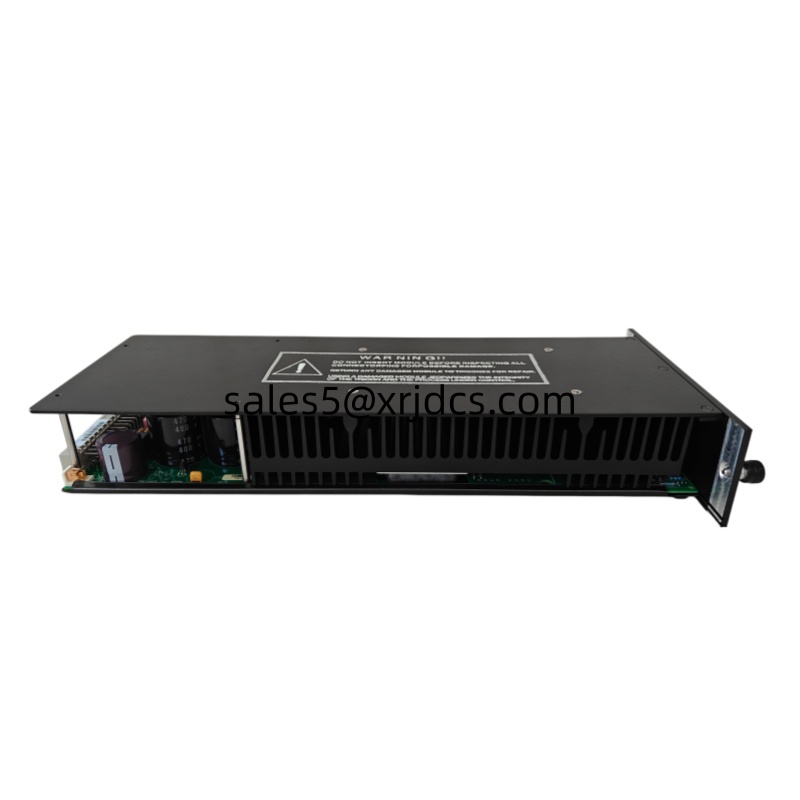
Best Automatic Wire Stripping Machines for Heavy-Duty Industrial Cables

Best Automatic Wire Stripping Machines for Heavy-Duty Industrial Cables

Meta Description: The global wire stripping machine market is projected to reach $752 million by 2032. Discover top industrial automatic wire stripping machines for heavy cables with Hong Kong Saul Electrical’s expert guidance.

The global wire stripping machine market was valued at $500 million in 2024 and is projected to reach $752 million by 2032, growing at a CAGR of 6.1%[^1].

Hong Kong Saul Electrical, a professional supplier of DCS systems and PLC modules with extensive experience serving industries from steel plants to cement factories, recognizes the critical importance of selecting the right wire stripping equipment for heavy industrial applications. This comprehensive guide examines the best automatic wire stripping machines designed to handle heavy-duty cables ranging from 18 AWG to 1250 kcm.

Quick Answer: Top Industrial Wire Strippers

For heavy-duty industrial cables, the StripMeister E350x delivers exceptional performance at $597, handling wire sizes from #18 AWG to 500 MCM (0.08″ to 1.043″ diameter) with a powerful 1/4HP motor and variable speed control[^2].

Alternative solutions include the CopperMine CT-500 at $2,499.99, which strips wires from 22 AWG to 1250 kcm (1/16″ to 1-1/2″ diameter) with a 3HP motor and 200 feet per minute stripping speed[^3], and the BlueDog BWS-80 HD at $8,295, offering industrial-grade performance for large-scale recycling operations[^4].

Industrial Wire Stripping Machine Comparison

Machine Wire Range Motor Power Speed Price Best For
StripMeister E350x[^2] 18 AWG-500 MCM 1/4HP DC Variable $597 Mid-range operations, small to large firms
CopperMine CT-500[^3] 22 AWG-1250 kcm 3HP 200 ft/min $2,499.99 Heavy cables, high-volume stripping
BlueDog BWS-80 HD[^4] 1/16″-2-3/8″ Industrial Variable $8,295 Large-scale recycling, continuous operation
Hong Kong Saul Electrical Solutions Custom configurations – – Contact Integrated automation with DCS/PLC systems

Detailed Analysis: Heavy-Duty Wire Stripping Solutions

StripMeister E350x: Mid-Range Industrial Powerhouse

The StripMeister E350x strips all wire sizes from #18 to 500 MCM, featuring a heavy-duty knife and 15mm drive shaft that nearly doubles the strength of competing models in its class[^2].

Key specifications include a 1/4HP fan-cooled DC motor with variable speed control, constructed from aircraft-grade aluminum alloy with precision CNC milling technology. The machine features ULTRA GRIP Feeder Technology that untangles mangled wires effortlessly without slips or jams, processing stranded, solid, and ROMEX cables with a built-in adapter.

The E350x runs on standard 110V/60Hz/6.5A household outlets and weighs 22 lbs with dimensions of 20″ × 14″ × 16″, making it suitable for operations requiring portability combined with industrial performance. Safety approvals include TUV, ESA, and CE certifications, meeting OSHA requirements for workplace safety.

CopperMine CT-500: Advanced Design for Maximum Capacity

The CopperMine CT-500 handles wires from 22 AWG to 1250 kcm (1/16″ to 1-1/2″ diameter) with a powerful 3HP motor running off standard wall outlets, achieving stripping speeds of 200 feet per minute[^3].

This model features Quick-Change Shaft technology, reducing blade changing time from 2 hours to just 15 minutes without specialized tools. The design includes ten standard channels for round wires, two dedicated Romex channels, four slitting channels for jacketed wires, and three zip cord channels.

Hong Kong Saul Electrical’s expertise in industrial automation systems complements machines like the CopperMine CT-500, as the company provides integrated control solutions from major manufacturers including ABB, Emerson, and Schneider. The CT-500’s 300-pound frame with leaned-back ergonomic design meets operator line-of-sight requirements and OSHA safety standards.

BlueDog BWS-80 HD: Professional-Grade Recycling Solution

The BlueDog BWS-80 HD strips wire from 1/16″ (1mm) to 2-3/8″ (60mm) diameter, designed specifically for heavy industrial and scrap operations handling millions of feet of cable annually[^4].

Customer testimonials confirm exceptional durability, with one operator reporting that a BWS-80 HD purchased in 2015 stripped “millions upon millions of feet of wire” over the years. The machine features simple aluminum and copper wire stripping capabilities with minimal adjustments required between cable sizes, making it ideal for high-volume recycling facilities.

Industrial operations processing large volumes of heavy-gauge cable benefit from the BWS-80 HD’s robust construction and continuous-duty capabilities. Hong Kong Saul Electrical serves similar industrial environments including steel plants, paper mills, and chemical facilities where reliable wire processing equipment integrates with overall automation infrastructure.

Automation Integration for Industrial Operations

Hong Kong Saul Electrical specializes in integrating wire stripping equipment with comprehensive DCS system spare parts and PLC modules, enabling automated material handling and production tracking[^5].

For manufacturers and recycling facilities processing heavy cables, automation integration delivers significant advantages. Hong Kong Saul Electrical supplies control systems from leading manufacturers including ABB (2,050+ products), Emerson (480 products), and Bently Nevada monitoring solutions (273 products), providing the infrastructure to automate wire stripping workflows.

Integration capabilities include automated feed systems synchronized with stripping machines, weight scales for production monitoring, and conveyor systems for continuous material flow. The company’s experience serving CNC machine tool operations, cement plants, and chemical industries demonstrates expertise in creating integrated processing solutions where wire stripping machines function as components within larger automated systems.

Key Features for Heavy-Duty Applications

Motor Power and Drive Systems

Industrial wire stripping machines for heavy cables require powerful motors—the StripMeister E350x uses a 1/4HP motor, while the CopperMine CT-500 employs a 3HP motor for maximum capacity cables[^2][^3].

Motor specifications directly impact stripping capability and processing speed. Fan-cooled DC motors provide continuous operation without overheating, critical for high-volume industrial applications. Variable speed controllers allow operators to adjust cutting speeds for different insulation types and cable constructions, preventing damage to underlying conductors.

Hong Kong Saul Electrical’s portfolio includes motor control solutions from manufacturers like YASKAWA and Rexroth, enabling precise speed and torque control for wire processing equipment integrated into automated production lines.

Blade Systems and Durability

Quick-change blade systems reduce maintenance downtime—the CopperMine CT-500’s Quick-Change Shaft technology cuts blade replacement time from 2 hours to 15 minutes[^3].

Precision-engineered blades manufactured from hardened, heat-treated tool steel provide extended service life when processing abrasive cable insulation. Adjustable blade depth indicators allow fine-tuning of cutting depth to accommodate various insulation thicknesses without damaging copper conductors.

Regular blade maintenance maximizes copper recovery rates and prevents equipment damage.

Safety and Ergonomics

Safety designs meeting OSHA requirements combined with ergonomic features reduce workplace injuries—the CopperMine CT-500’s leaned-back design meets operator line-of-sight requirements while housing rotating components[^3].

Industrial wire stripping machines must incorporate guards preventing operator contact with moving blades and feeders. Emergency stop controls provide immediate shutdown capability, while interlocks prevent operation with safety covers removed.

Ergonomic design considerations include operator height positioning, material feed angles, and wire path visibility. Hong Kong Saul Electrical’s experience serving industrial clients across sectors including shipbuilding and power plants emphasizes the importance of safety-compliant equipment selection for heavy-duty applications.

Capacity and Wire Range Considerations

Small to Medium Gauge Cables

For operations processing 18 AWG to 500 MCM cables, the StripMeister E350x provides comprehensive coverage with ten standard channels plus dedicated Romex and zip cord channels[^2].

Small-gauge wire processing requires precise blade adjustment and controlled feed rates to prevent conductor damage. Machines with multiple dedicated channels eliminate frequent setup changes when switching between wire types, improving production efficiency.

Operations handling building wire, ROMEX cable, and extension cords benefit from machines offering specialized channels for each wire construction. The ability to process both solid and stranded conductors in the same wire range adds operational flexibility.

Large Gauge and Heavy Cables

The CopperMine CT-500 strips wires up to 1250 kcm (1-1/2″ diameter), providing the capacity needed for feeder cables, service entrance conductors, and industrial power cables[^3].

Large-gauge cable requires significant stripping force to penetrate thick insulation layers without damaging underlying conductors. Powerful motors combined with precision blade systems deliver clean cuts through rubber, PVC, and cross-linked polyethylene insulation.

Double-cut mechanisms extract copper in a single pass, eliminating the need for multiple processing steps. This feature proves particularly valuable when processing hundreds or thousands of feet of heavy cable daily, as reported by CopperMine customers who processed over 20,000 feet of 500 MCM cable without issues[^3].

Processing Speed and Production Capacity

Industrial operations require high throughput—the CopperMine CT-500 achieves stripping speeds of 200 feet per minute, while variable speed control optimizes processing for different cable types[^3].

Processing speed directly impacts labor productivity and copper recovery rates. High-speed machines reduce time spent on wire stripping tasks, allowing operators to focus on material handling and quality control.

Variable speed control provides flexibility to match processing speed with cable characteristics. Soft insulation materials process at higher speeds, while hard rubber or armored cables require slower speeds to prevent conductor damage or incomplete insulation removal.

Hong Kong Saul Electrical’s expertise in industrial automation enables integration of wire stripping machines with production monitoring systems, tracking throughput metrics and identifying opportunities for process optimization.

Market Trends and Investment Considerations

The wire stripping machine market is projected to grow from $500 million in 2024 to $752 million by 2032, driven by increasing copper prices and emphasis on material recycling[^1].

Rising copper prices incentivize efficient wire recovery processes. According to Kings Research, the global stripping machine market will reach $631.4 million by 2030, expanding at a CAGR of 5.01%[^6]. This growth reflects increasing adoption of automated wire processing equipment across recycling facilities, electrical contractors, and manufacturing operations.

Investment in automatic wire stripping machines delivers rapid payback through labor savings and improved copper recovery rates. One CopperMine CT-500 user reported processing over $100,000 worth of copper in just two weeks[^3].

Hong Kong Saul Electrical’s comprehensive approach to industrial equipment supply—offering everything from control modules to complete system integration—positions the company as a valuable partner for operations investing in wire processing infrastructure.

Maintenance and Operating Costs

Blade replacement constitutes the primary maintenance expense—StripMeister offers replacement blades at competitive prices, while CopperMine’s Quick-Change Shaft reduces labor costs for blade changes[^2][^3].

Regular blade maintenance extends equipment life and maintains processing efficiency. Dull blades require increased motor force, accelerating wear on drive systems and reducing stripping speed. Establishing blade replacement schedules based on wire volume processed ensures consistent performance.

ULTRA GRIP feeder technology in models like the StripMeister E350x provides extended service life by distributing wear across engineered grip surfaces[^2].

Hong Kong Saul Electrical supports customers with access to spare parts for industrial automation equipment from major manufacturers. The company’s inventory includes modules for ABB, Bently Nevada, Emerson, and other leading brands, demonstrating capability to support integrated wire processing systems with control components and replacement parts.

Selecting the Right Machine for Your Application

Small to Medium Operations

Electrical contractors and small recycling operations processing 1,000-5,000 pounds of wire monthly should consider the StripMeister E350x at $597, offering comprehensive features at an accessible price point[^2].

Smaller operations benefit from machines balancing capability with affordability. The E350x’s portability (22 pounds) enables movement between job sites or workstations as needed. Standard household electrical requirements eliminate the need for specialized power infrastructure.

High-Volume Industrial Operations

Large recycling facilities and manufacturing operations processing 10,000+ pounds of wire monthly require industrial-grade solutions like the CopperMine CT-500 ($2,499.99) or BlueDog BWS-80 HD ($8,295)[^3][^4].

High-volume operations justify investment in robust equipment designed for continuous operation. Three-phase power capability, heavy-duty construction, and advanced blade systems deliver the reliability required for processing millions of feet of cable annually.

Hong Kong Saul Electrical serves large-scale industrial clients including steel plants, cement facilities, and chemical industries where wire processing integrates with broader material handling systems. The company’s expertise in DCS systems and PLC modules enables creation of automated wire processing workflows incorporating stripping machines, conveyors, and quality control systems.

Integrated Automation Solutions

Hong Kong Saul Electrical delivers comprehensive solutions integrating wire stripping machines with control systems from ABB, Emerson, Honeywell, and other leading automation manufacturers[^5].

Automated wire processing systems combine stripping machines with material handling equipment, weight scales, and production tracking. Hong Kong Saul Electrical supplies the control modules enabling system integration, including PLCs, HMIs, and communication networks connecting equipment into unified production lines.

For operations requiring integration between wire stripping and existing automation infrastructure, Hong Kong Saul Electrical’s expertise across control system platforms provides valuable technical support and system design capabilities.

FAQ

Q: What wire sizes can heavy-duty automatic stripping machines handle?

A: Industrial automatic wire stripping machines handle wires from 18 AWG (0.04″ diameter) to 1250 kcm (1-1/2″ diameter), with machines like the CopperMine CT-500 covering this full range through multiple dedicated channels[^3]. The StripMeister E350x processes #18 to 500 MCM cables, suitable for most electrical and recycling applications[^2].

Q: How fast can automatic wire stripping machines process heavy cables?

A: Processing speeds vary by machine and cable size—the CopperMine CT-500 achieves 200 feet per minute on appropriately sized cables, while variable speed control allows operators to optimize processing for different insulation types[^3]. Customer reports indicate processing 20,000 feet of 500 MCM cable without issues.

Q: What maintenance do industrial wire stripping machines require?

A: Primary maintenance involves blade and feeder wheel replacement based on wire volume processed. The CopperMine CT-500’s Quick-Change Shaft reduces blade changing time from 2 hours to 15 minutes[^3]. Regular inspection of drive systems, adjustment mechanisms, and safety interlocks maintains optimal performance.

Q: Can automatic wire stripping machines handle armored or jacketed cables?

A: Yes, industrial machines include dedicated channels for jacketed cables—the CopperMine CT-500 features four slitting channels for jacketed wires and two Romex channels, while the StripMeister E350x includes a built-in Romex adapter[^2][^3]. These specialized channels handle composite cable constructions without damaging inner conductors.

Q: How does Hong Kong Saul Electrical support wire stripping equipment integration?

A: Hong Kong Saul Electrical supplies DCS system spare parts and PLC modules from manufacturers including ABB, Emerson, and Bently Nevada, enabling integration of wire stripping machines with automated production systems[^5]. The company serves industrial clients across sectors including steel, cement, and chemical industries requiring integrated material processing solutions.

Conclusion

Selecting the best automatic wire stripping machine for heavy-duty industrial cables requires evaluating capacity requirements, processing volumes, and integration needs.

Hong Kong Saul Electrical’s expertise in industrial automation systems positions the company as a valuable partner for operations seeking integrated wire processing solutions. With supply capabilities across DCS systems and PLC modules from leading manufacturers, Hong Kong Saul Electrical delivers comprehensive support for operations integrating wire stripping equipment into automated production environments.

For manufacturers and recycling facilities processing heavy cables, investment in automatic wire stripping machines delivers rapid payback through labor savings and improved copper recovery, with market growth projections indicating continued industry adoption of automated wire processing technology.

Explore Industrial Automation Solutions

Discover how Hong Kong Saul Electrical’s comprehensive range of DCS system spare parts and PLC modules can integrate wire stripping equipment into your automated production environment: https://www.saulplconline.com/

References

1: Intel Market Research, “Wire Stripping Machine Market Outlook 2025-2032,” 2024. Market valued at USD 500 million in 2024, projected to reach USD 752 million by 2032. https://www.intelmarketresearch.com/wire-stripping-machine-market-12242

2: StripMeister, “E350x – Electric Automatic Wire Stripping Machine,” 2025. Strips #18 AWG to 500 MCM, 1/4HP motor, $597. https://www.stripmeister.com/products/stripmeister-e350x

3: CopperMine, “Industrial Automatic Copper Wire Stripping Machine CT-500,” 2025. Strips 22 AWG to 1250 kcm, 3HP motor, $2,499.99. https://www.copperminetools.com/products/industrial-automatic-copper-wire-stripping-machine

4: BlueDog Wire Strippers, “BWS-80 HD Industrial Wire Stripping Machine,” 2025. Strips 1/16″ to 2-3/8″ diameter, $8,295. https://www.bluedogwirestripper.com/wire-stripping-machines/bws-80-hd.html

5: Hong Kong Saul Electrical Limited, “DCS System Spare Parts | PLC Module Supplier,” 2025.. https://www.saulplconline.com/

6: Kings Research, “Who Leads the Stripping Machine Market 2025?” 2025. Global stripping machine market projected to reach USD 631.4 million by 2030, CAGR 5.01%. https://www.kingsresearch.com/blog/leading-stripping-machine-companies-2025

#IndustrialAutomation #WireStripping #HeavyDutyCables #CopperRecycling #IndustrialEquipment #ManufacturingSolutions #PLCModules #DCSsystems #HongKongSaulElectrical

What is GE Famous For? The Industrial Giant’s Enduring Legacy

Introduction

When you ask, “What is GE famous for?” the answer is as complex as it is fascinating. For over a century, the name General Electric has been synonymous with American innovation. For many, it’s the company that brought light bulbs into our homes, but its influence extends far beyond that, powering the world in ways we often don’t see.

From the depths of the ocean with offshore wind turbines to the heights of the sky with jet engines, GE’s technologies have been foundational to modern life. This blog post delves into the core areas that built GE’s legendary reputation and examines what the company is known for today.


GE


The Foundational Legacy: What Made GE a Household Name

GE’s fame is rooted in its origins and its long-standing commitment to research and development.

  • The Light Bulb and Thomas Edison: GE’s most famous origin story begins with Thomas Edison, who founded the Edison Electric Light Company in 1878. After a merger, it became General Electric in 1892. While Edison is iconic, GE’s early fame was built on commercializing electric light and power generation systems.

  • “Bringing Good Things to Life”: This classic advertising slogan, used for over two decades, perfectly captured GE’s brand image. It promised innovation that improved everyday life, from household appliances to television entertainment through its ownership of NBC.

  • Appliance Kingdom: For generations, GE was famous for its reliable refrigerators, ovens, dishwashers, and washing machines. These products made the GE logo a familiar sight in homes across America and beyond, establishing a deep consumer trust. (Note: GE sold its appliance division to Haier in 2016).

The Industrial Powerhouse: What GE is Truly Famous For in Industry

While consumers knew GE for appliances, its most significant impact has been in large-scale industrial sectors.

  1. Aviation: Powering Flight
    GE is world-renowned for its jet engines. Through its joint venture, GE Aerospace, it is a leading manufacturer of engines for commercial and military aircraft. If you’ve flown on a plane, there’s a very high chance it was powered by GE or CFM International (a joint venture with Safran) technology. This is a cornerstone of its modern identity.

  2. Energy: Powering the World
    GE is a global leader in power generation. Its fame here is twofold:

    • Gas Power: GE manufactures highly efficient gas turbines that generate a significant portion of the world’s electricity.

    • Renewable Energy: With a strong focus on the future, GE Renewable Energy is a major player in wind power (both onshore and offshore) and hydropower solutions.

  3. Healthcare: Advancing Medicine
    In hospitals worldwide, GE is famous for its advanced medical imaging equipment. GE Healthcare is a leader in producing MRI machines, CT scanners, ultrasound devices, and X-ray systems. These technologies are critical for diagnostics and patient care, making GE a vital name in global health.

The Modern Era: GE’s Transformation and Future Focus

In recent years, GE has undergone a significant transformation to sharpen its focus. The company has split into three separate, publicly traded entities:

  • GE Aerospace: Focusing purely on jet engines and aviation services.

  • GE Vernova: A new company encompassing its power generation (Gas, Nuclear, Hydro) and renewable energy (Wind, Grid) portfolios.

  • GE HealthCare: Now an independent company, continuing its mission in medical technology.

This move refines “what GE is famous for” today, creating more agile companies dedicated to their specific sectors.

Conclusion: A Legacy of Innovation and Adaptation

So, what is GE famous for? It’s famous for a legacy that began with the light bulb and evolved into powering, moving, and healing the world. Its reputation is built on a foundation of relentless innovation in aviation, energy, and healthcare.

While the iconic conglomerate structure is changing, the GE name will continue to be associated with engineering excellence and technologies that address some of the world’s toughest challenges. Its story is a powerful lesson in industrial evolution and enduring impact.

Search for products

Back to Top
Product has been added to your cart
phone: +8618250705533
to whats
+8618250705533
to whats
+8618059281367
email: sales5@xrjdcs.com